Incorporating Agility Training to Boost Your Pet’s Physical and Mental Skills
Enhancing Your Pet’s Skills Through Agility Training
Agility training is rapidly becoming a vital component of pet care, allowing owners to enhance their furry friends’ physical and mental abilities. This dynamic form of exercise offers numerous benefits not only for dogs but for pets of all kinds, promoting a more active and engaged lifestyle. Agility training typically involves navigating a course filled with obstacles, including tunnels, jumps, weave poles, and seesaws, all designed to test and improve an animal’s physical prowess and mental acuity.
Here are some key advantages of incorporating agility training into your pet’s routine:
- Physical Fitness: Regular agility training significantly encourages better cardiovascular health, strength, and flexibility. For instance, a dog can enhance their muscle tone and endurance by jumping over hurdles or climbing ramps. Over time, this improved physical condition can lead to a longer life and decreased risk of obesity-related diseases.
- Mental Stimulation: Engaging in agility courses challenges pets to solve problems and learn new skills, effectively preventing boredom. The requirement to navigate through or around various obstacles activates a pet’s cognitive functions, which can be critical for high-energy breeds like Border Collies or Australian Shepherds.
- Bonding Opportunities: Agility training can strengthen the bond between owner and pet through teamwork and training sessions. Each obstacle navigated together fosters trust and communication, creating a shared sense of accomplishment when they successfully complete a course.
- Behavioral Improvements: By channeling excess energy into productive activities, agility training can dramatically reduce destructive behaviors. A well-exercised pet is less likely to chew furniture or bark excessively, making for a happier home environment.
According to the American Kennel Club, agility training not only nurtures your pet’s body but also sharpens their mind, bringing a wealth of fun while achieving essential skills. Numerous training clubs and facilities across the United States offer agility classes catering to pets of all skill levels. Additionally, many pet owners opt to create their agility courses at home using equipment readily available at pet shops or through DIY projects.
Whether you’re looking to spice up your pet’s daily routine or prepare for competitions, agility training opens up a new realm of possibilities. Starting with simple jumps and gradually introducing more complex obstacles can nurture your pet’s skill set. As you delve deeper into agility training, you will not only witness improvements in your pet’s capabilities but also enjoy the satisfaction that comes with engaging in this active and rewarding pursuit together.
So, are you ready to set up an agility course that will thrill your pet while boosting their physical and mental skills? The journey of discovery and training awaits you and your beloved companion!
DIVE DEEPER: Click here to learn more about natural pet food
Getting Started with Agility Training
Before diving into the world of agility training, it’s crucial to familiarize yourself with the key components and basic setups you will encounter. Agility courses can vary dramatically in complexity, but starting with the fundamentals will ensure both you and your pet are poised for success. Whether you are training a high-energy breed or a playful mixed-breed, structured agility training will promote not only fitness but also invaluable life skills.
The first step in incorporating agility training is selecting the right equipment. While specialized gear can be found in pet supply stores, DIY options can be both cost-effective and enjoyable. A simple agility setup may include:
- Jump Bars: Low hurdles that encourage your pet to jump over while navigating the course, stimulating their coordination and physical stamina.
- Tunnels: Flexible fabric tunnels can challenge pets to explore, building confidence as they learn to go through them.
- Weave Poles: Arranged in a straight line, they assist in improving your pet’s agility and responsiveness while enhancing their ability to navigate through obstacles.
- Seesaws: These balance-based obstacles teach your pet about weight distribution and confidence in their abilities, promoting agility and focus.
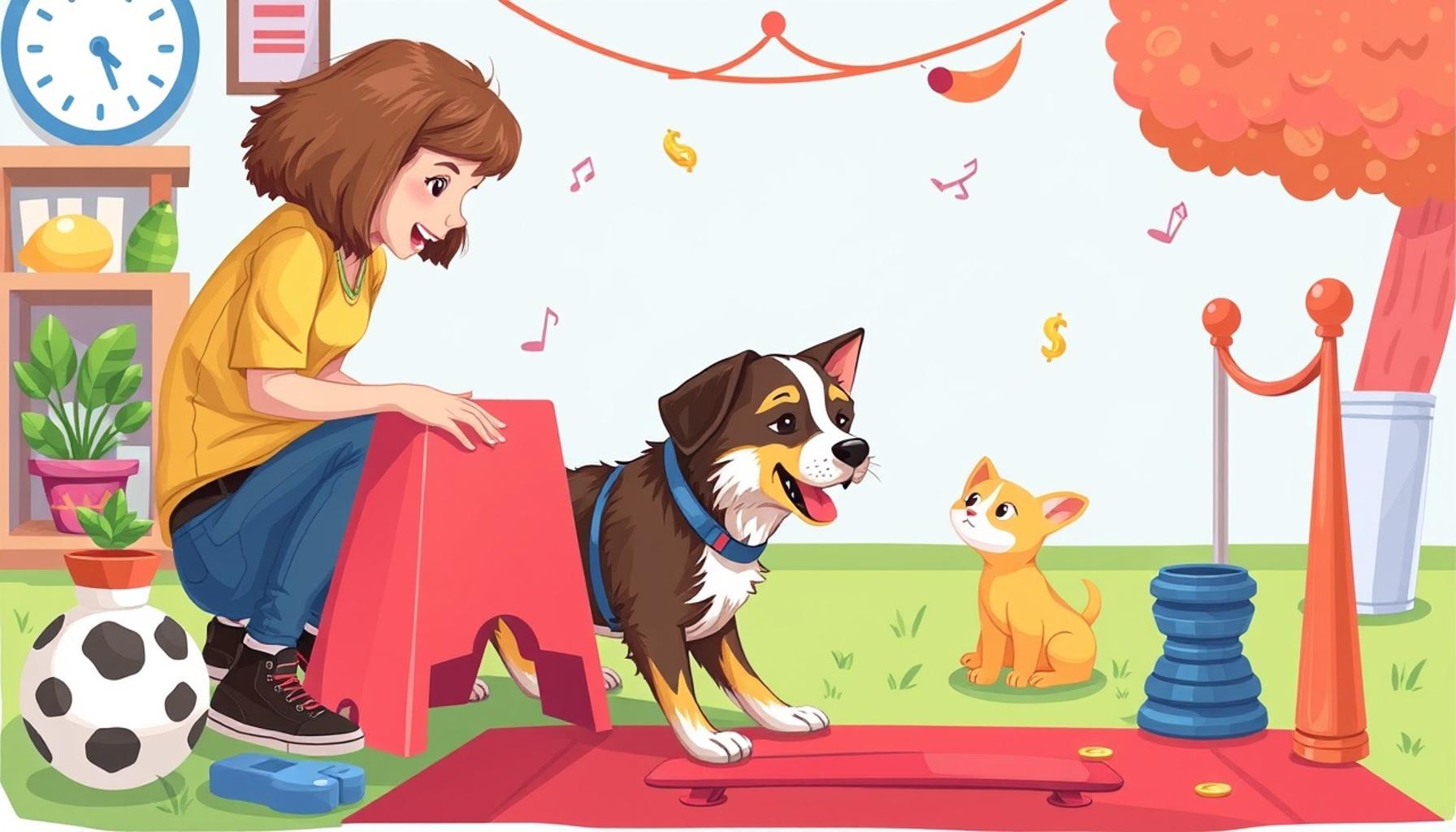
Once your course is set up, the next phase is to engage in positive reinforcement training. Reinforcing desired behaviors with treats or praise will motivate your pet to conquer the obstacles. Consistency is key here; scheduling regular training sessions helps your pet understand expectations and increases their proficiency over time.
Another essential aspect of agility training involves establishing a strong communication system between you and your pet. To do this, using clear commands and hand signals can facilitate a smoother training experience. Dogs, in particular, thrive on visual cues, thus allowing for better understanding during more complex elements of the course. Learning to command your pet with clarity will not only improve agility performance but also strengthen your bond.
It is also beneficial to gradually increase the difficulty of the course as your pet becomes more confident. Start with just a couple of obstacles, allowing your pet to master each one before adding new elements. Observing their progress will provide valuable insights into their strengths, weaknesses, and areas that require additional attention. Every pet is unique, and understanding their pace will enhance both their learning experience and their engagement during training. You may even notice as they overcome challenges, they grow more eager and enthusiastic about the agility course.
Incorporating agility training does not merely mean navigating obstacles; it involves fostering a harmonious relationship based on trust, understanding, and fun. As both you and your pet embark on this exciting journey, you will discover a world of endless possibilities and rewards that will not only help in achieving physical fitness but also foster mental sharpness and behavioral improvement.
Understanding Agility Training for Pets
Agility training is not merely a quirky sport; it is a dynamic and engaging way to enhance both the physical and mental capabilities of your pet. This training involves navigating through a course filled with obstacles like tunnels, jumps, and weave poles, promoting coordination, balance, and reflexes. But there’s much more to it than just physical challenges; it’s a holistic approach that nurtures your pet’s cognitive abilities as well.Moreover, agility training cultivates a stronger bond between you and your furry friend. As you work together on various tasks and navigate through different challenges, your pet learns to trust and communicate with you more effectively. This collaboration minimizes behavioral issues that can arise from boredom or excess energy. The engaging nature of agility courses keeps pets stimulated and encourages them to think critically about their movements, which is essential for their overall well-being.In some cases, incorporating agility training into your pet’s routine could even contribute to improved social skills. As your pet participates in group classes or meets other dogs in agility sessions, they learn valuable lessons about socialization and cooperation. These capabilities not only enhance their experience in training but also in daily interactions with both humans and other animals.In the next section, we will examine specific benefits of agility training, showcasing how this approach can truly revolutionize the way your pet engages with the world around them. Stay tuned for insights into impressive results you can expect from this fun and rewarding training program!
| Advantages | Description |
|---|---|
| Enhanced Physical Fitness | Agility training promotes overall fitness, helping to maintain a healthy weight and muscle tone. |
| Mental Stimulation | The challenges in agility training keep your pet mentally engaged, reducing anxiety and boredom. |
| Improved Coordination | Navigating obstacles develops your pet’s coordination and balance, essential for physical tasks. |
| Strengthened Relationship | Working together on agility fosters trust and communication between you and your pet. |
DISCOVER MORE: Click here for insights on pet food evolution
Enhancing the Training Experience
To maximize the benefits of agility training, it is essential to keep the experience engaging and interesting for your pet. Varying your training routine not only keeps your pet excited but also challenges them in different ways, promoting both physical agility and mental acuity. Consider adding diverse exercises beyond navigating obstacles to broaden your pet’s skill set.
Incorporating games like fetch or tug-of-war can complement agility training, enhancing your pet’s focus and responsiveness. These activities activate your pet’s natural instincts and enhance their overall learning capacity. Furthermore, engaging in such games helps develop the necessary agility for your pet to maneuver quickly during agility sessions. This dynamic approach can prevent monotony and keeps your pet enthusiastic about the training sessions.
Another pivotal element in this journey is the incorporation of social interactions. Allowing your pet to participate in group training classes or working with a training partner can create a stimulating environment. Social settings introduce your pet to distractions, thereby reinforcing their focus and control. This aspect of agility training not only fosters better performance but also enhances your pet’s social skills and confidence when interacting with other dogs and people.
Tracking Progress and Setting Goals
One of the fascinating facets of agility training is the ongoing opportunity for assessment and improvement. Keeping track of your pet’s progress can be quite motivating both for you and your pet. Maintain a journal to record milestones, challenges, and accomplishments. Whether it’s mastering a new obstacle, completing a course with improved time, or exhibiting better focus, tracking these achievements can fuel the motivation to push further.
To amplify this experience, set achievable goals tailored specifically to your pet’s capabilities. For example, if your dog is particularly adept at jumping, aim for higher jumps or greater speed when navigating the course. On the flip side, if your pet struggles with tunnels, you may want to focus on overcoming that obstacle with small, incremental goals. Setting benchmarks establishes a clear path for both you and your pet, fostering a sense of accomplishment and teamwork.
Security and Safety Considerations
As with any physical activity, safety is paramount during agility training. Prioritize creating a secure training environment, free from hazards that could lead to injury. Ensure that all equipment is sturdy and appropriately sized for your pet. Always supervise your pet during training sessions to prevent accidents, especially with newcomers to agility training who may be more prone to missteps.
Additionally, it is advisable to consult with your veterinarian if you have concerns about your pet’s health or physical limitations before starting an agility program. Some breeds can benefit significantly from this training, while others may have conditions that warrant specific considerations. Being proactive about your pet’s health will enable you to tailor your agility training effectively, ensuring a safe and enjoyable experience.
In summary, enhancing agility training involves a holistic approach, incorporating engaging techniques, measurable goals, and safety precautions. By fostering a positive environment and adapting to your pet’s individual needs, you will deepen the connection with your furry friend while unlocking their full potential through agility training. Your journey together in agility can lead to a healthier, happier, and more well-rounded companion.
DISCOVER MORE: Click here for homemade pet food tips!
Conclusion
Incorporating agility training into your pet’s routine is not only a fun way to enhance their physical abilities but also a powerful method for boosting their mental skills. By engaging in diverse activities, setting realistic goals, and fostering a safe training environment, you can unlock your pet’s potential and strengthen the bond you share. The importance of variety in training exercises cannot be overstated; both physical and cognitive challenges keep pets mentally stimulated and motivated, leading to overall wellness.
Moreover, the social aspect of agility training offers additional benefits, encouraging your pet to interact and communicate with others. Such experiences build confidence and promote healthy social behaviors, vital for their development as a well-rounded companion. Tracking progress is crucial, as it provides a sense of achievement and encourages continued growth. Each small victory, whether it be mastering a new obstacle or refining their speed, adds to your pet’s confidence and enjoyment.
As you embark on this agility journey, remember to remain patient and attentive to your pet’s needs. Consult with professionals when necessary, and always prioritize safety to foster an enjoyable training environment. With dedication and creativity, agility training can transform not only your pet’s physical capabilities but also their mental agility, resulting in a healthier, happier, and more fulfilled life. So, take the leap and watch as your furry friend thrives both on and off the agility course!

Linda Carter
Linda Carter is a writer and pet care specialist passionate about animal health, behavior, and well-being. With extensive experience helping pet owners make informed decisions, Linda shares practical advice on nutrition, daily care, training, and creating a safe, loving environment. Her goal is to provide clear guidance, useful tips, and accessible information that help readers better understand their pets and give them happier, healthier lives.