The Role of Body Language in Effective Pet Training
Significance of Body Language in Pet Training
When it comes to training pets, particularly dogs and cats, the effectiveness of traditional verbal commands can be greatly enhanced by an understanding of body language. This non-verbal communication allows pet owners to convey their intentions and emotions without uttering a word. Recognizing and interpreting these silent cues is not only beneficial for successful training but also strengthens the bond between pets and their owners.
Animals are remarkably responsive to the subtle changes in their human companions’ movements and postures. Here are some key aspects of body language that can influence the training outcome:
- Posture: The way you carry yourself can send strong signals to your pet. A confident, upright stance can create a sense of security and assurance for your pet, enabling them to respond better to commands. Conversely, if you are slouched or appear tense, your pet may sense your uncertainty, leading to confusion and potentially decreasing their willingness to engage in training.
- Facial Expressions: Just as humans interpret emotional states through facial cues, pets are adept at reading their owners’ expressions. A warm smile can provide reassurance, making your pet feel more comfortable and open to learning. In contrast, a frown or stern look could make a pet feel anxious or intimidated, hindering their progress.
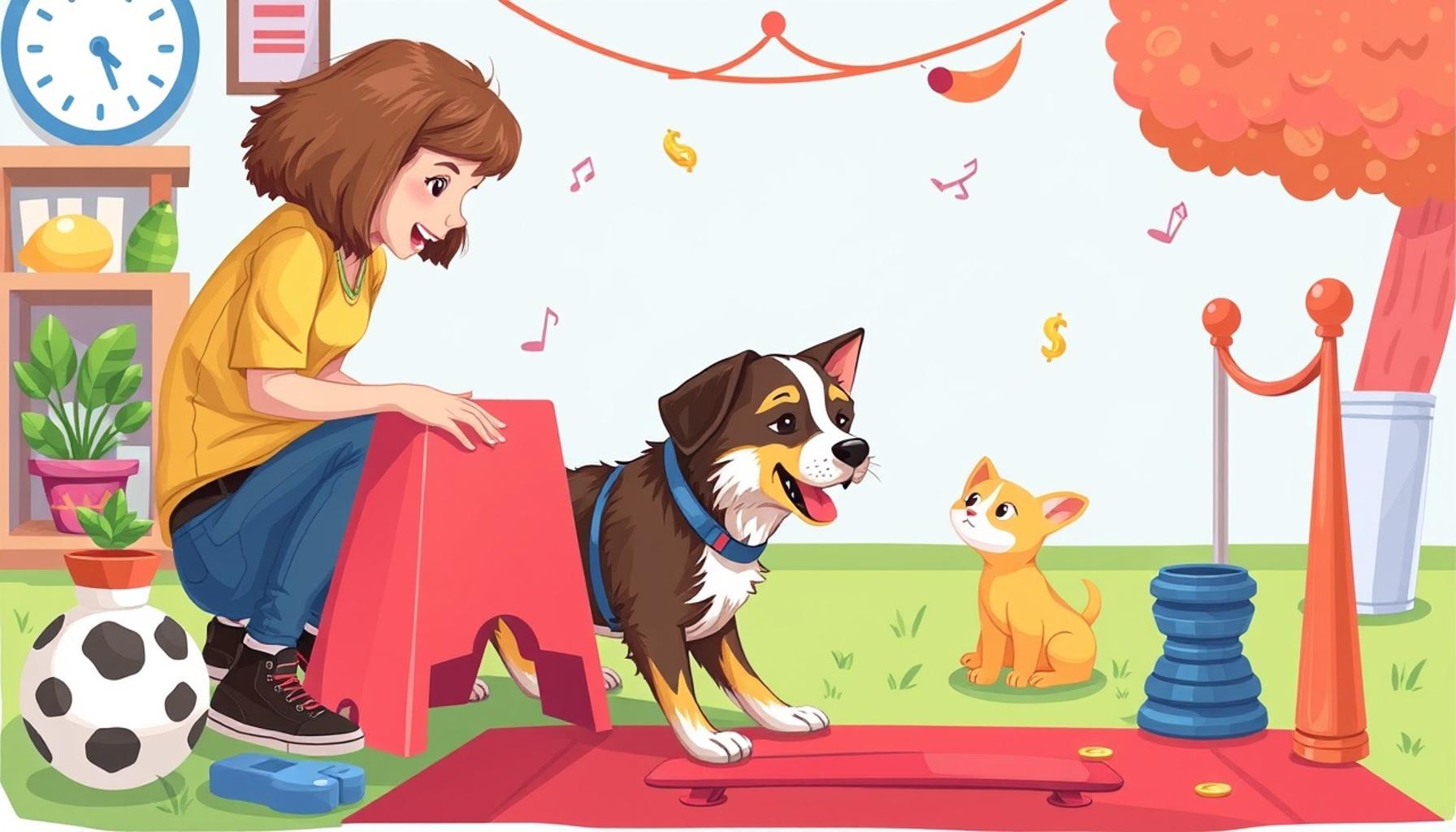
- Gestures: Incorporating hand signals into training can greatly enhance communication. For example, waving a hand to signal ‘come’ or extending an arm to indicate ‘stay’ simplifies verbal commands, making them clearer for your pet. Dogs, in particular, are highly visual creatures, and pairing verbal commands with gestures can significantly improve their understanding and execution.
Research supports the idea that effective communication through body language can positively impact pet obedience levels and overall behavior. For instance, a study conducted by animal behaviorists highlighted that dogs trained using a combination of verbal cues and visual gestures performed better than those trained with verbal commands alone. This suggests a compelling case for owners to invest time in understanding their body language as part of the training process.
This article aims to delve deeper into the intricacies of body language in pet training, revealing practical techniques and insights that can transform your training sessions. By being aware of your own body language, you can create a more productive and enjoyable experience for both you and your furry friend. Engaging in this learning process not only aids in training but also fosters an enriched relationship, built on trust and mutual understanding.
EXPLORE MORE: Click here to learn about your pet’s health as they age
The Impact of Posture and Movement on Pet Behavior
Understanding the significance of posture in pet training is crucial. Animals, especially dogs, are highly perceptive to their owners’ body movements and stances. An owner’s posture can either instill confidence or convey uncertainty, which directly affects a pet’s response during training sessions. A pet owner who stands tall, with an open stance, typically sends a message of authority and calm. This, in turn, can encourage pets to approach training with enthusiasm and a willingness to engage.
On the other hand, a tense posture—characterized by tight shoulders, crossed arms, or even a lowered head—might signal discomfort or anxiety. Pets are adept at picking up these visual cues and may respond by becoming submissive or resistant to training attempts. It’s essential for pet owners to practice mindfulness in their physical presence. For instance, making a conscious effort to maintain an inviting posture can help you create a more positive learning environment for your pet.
In addition to overall posture, the movement of the trainer plays a critical role. Sudden or exaggerated movements may startle a pet, distracting them from the command being taught. Training sessions should promote fluid and deliberate movements, gradually encouraging pets to become accustomed to the actions you wish to communicate. For example, instead of abruptly pointing or waving, try using slow, smooth gestures to guide your pet’s attention, allowing them to process the information without becoming overwhelmed.
Facial Expressions and Their Influence
Your facial expressions also serve as a powerful tool in effective pet training. Research has shown that pets can read the emotional states of their owners through facial cues. A gentle smile can help put your pet at ease, making them more likely to engage with you. Conversely, showing frustration or anger through a furrowed brow or clenched jaw may instill fear in your pet, impeding their learning capabilities.
To harness the power of facial expressions in training, consider adopting a practice where you consciously maintain a soft, relaxed face during sessions. This simple adjustment can significantly influence your pet’s feelings and foster a more trusting relationship. When training, remember to pair happy expressions with positive reinforcement, such as treats or praises, ensuring that your pet associates success with your encouraging demeanor.
Utilizing Gestures to Reinforce Communication
A crucial element in the role of body language in pet training is the implementation of gestures. Pet trainers and behaviorists often advocate for the pairing of verbal commands with visual signals. Dogs, in particular, are visual animals and respond more efficiently when able to see what is being communicated. For instance, when teaching commands such as ‘sit’ or ‘stay,’ incorporating a hand signal along with the verbal cue can dramatically improve your pet’s understanding.
- Hand Signals: Consistent and clear gestures can reinforce commands. For example, using an open palm for ‘stay’ or a finger pointed towards the ground for ‘sit’ helps provide visual clarity.
- Body Movement: Gesturing towards a desired location or using your body to indicate direction can guide your pet effectively, making it easier for them to follow your intent.
- Reinforcement Timing: Coupling gestures with immediate rewards not only enhances comprehension but also strengthens the bond between you and your pet through positive reinforcement.
Through understanding these aspects of body language, pet owners can develop a training approach that is richer, more effective, and ultimately, tailored to the unique comprehension abilities of their pets.
The Impact of Body Language on Pet Behavior
Understanding body language is crucial in establishing a connection with your pet. Every gesture, posture, and facial expression can convey important messages about your feelings and intentions. For instance, when a trainer maintains eye contact and adopts an open stance, it can signal to the pet that they are safe and engaged. This positive interaction not only boosts the pet’s confidence but also enhances the learning process.Moreover, pets are highly attuned to human emotions, often responding intuitively to the unspoken cues around them. A trainer’s relaxed posture can lead to a calm animal, while anxious or aggressive body language may provoke fear or confusion. Therefore, utilizing consistent and positive body language can significantly strengthen the bond between pet and owner, fostering an environment conducive to effective training.
Using Body Language to Reinforce Commands
Incorporating body language into training exercises can boost the effectiveness of verbal commands. Pairing a verbal cue with a specific hand signal, for example, helps pets associate the sound with a visual action. This dual reinforcement can be particularly beneficial for visually oriented animals like dogs. Training sessions that utilize a combination of vocal commands and expressive gestures create a richer communication experience, which can accelerate the learning process.It’s also important to note the differences between various types of pets. While dogs may respond well to emphatic arm movements or a confident stance, a cat might be more receptive to gentle gestures or slow movements. Tailoring your body language to fit the unique characteristics and instincts of your pet will only enhance training results.
| Category 1 | Category 2 |
|---|---|
| Understanding Signals | Pets interpret gestures and tones as signals for training success. |
| Building Trust | Positive body language fosters trust and enables open communication. |
By mastering the art of body language, pet owners can enhance their training methods, elevating not only their pets’ understanding but also the overall experience of training sessions. This understanding opens the door to a world where communication flows seamlessly, enabling a stronger bond between pet and trainer. With time, effort, and careful observation, both the pet and the human can thrive in their ongoing journey together.
DISCOVER MORE: Click here for effective training session tips
The Connection Between Eye Contact and Trust
One of the most overlooked aspects of body language in pet training is the power of eye contact. For many animals, including dogs, eye contact can signify a range of emotions and intentions—making it a multifaceted tool in the training toolbox. When pet owners maintain appropriate eye contact, it can serve to reinforce the bond between them and their pet, creating an environment rich in trust and understanding.
The act of looking into your pet’s eyes can promote feelings of safety, encouraging them to open up and engage more deeply with the training process. However, it’s worth noting that too much direct eye contact can be perceived as threatening, leading to hesitance or even avoidance behaviors. The key lies in striking a balance—using soft, inviting glances paired with a warm demeanor can facilitate a productive training environment. Moreover, research suggests that when dogs and their owners look at each other, the levels of oxytocin—often referred to as the ‘love hormone’—increase in both species, enhancing attachment and communication.
The Role of Space in Body Language
Another vital component of body language is the use of space, often termed as ‘proxemics.’ Animals are sensitive to personal space, and understanding their comfort zones can significantly enhance training effectiveness. For instance, approaching a pet too quickly or invading their personal space may cause anxiety and disrupt the training session. Ideally, trainers should allow their pets to come to them, fostering a sense of safety. This gradual approach not only empowers the pet but also builds mutual respect and lays a solid foundation for further learning.
Moreover, utilizing space effectively can minimize distractions during training. A quiet area with limited foot traffic helps ensure your pet’s focus remains on the tasks at hand. As you gradually increase the distance between yourself and the pet during training exercises, it can also help reinforce commands such as ‘come’ or ‘stay,’ teaching your furry friend about boundaries and safe distances.
The Importance of Consistency in Body Language
Perhaps one of the most critical elements of using body language in effective pet training is the principle of consistency. Pets thrive in environments where they can predict their owner’s reactions and commands based on established cues. By maintaining consistent postures, gestures, and facial expressions, trainers provide clear signals that pets can recognize and understand over time.
- Repetition of Gestures: Utilizing the same hand signal for the ‘sit’ command each time helps reinforce that behavior. Repetition breeds familiarity, helping pets to learn commands faster.
- Matching Tone with Body Language: Pairing a happy demeanor with an excited tone while giving commands can further fortify the message being conveyed.
- Avoiding Mixed Signals: If a trainer is using a stern face while simultaneously offering encouragement, it may confuse the pet. Aim for synchronicity in verbal and non-verbal communication.
With the application of consistent body language, pets will be more likely to respond positively to commands and engage actively during training sessions. Establishing a reliable set of visual cues not only enhances communication but ultimately reinforces the bond between trainer and pet.
DISCOVER MORE: Click here to learn about warning signs in pets
Conclusion
In summary, the role of body language in effective pet training cannot be overstated. Through the strategic use of eye contact, the management of personal space, and the importance of consistency, pet owners can create a holistic training environment that fosters trust and understanding. Each aspect of body language, from a warm gaze to a gentle gesture, contributes significantly to enhancing communication between pets and their trainers.
Building a strong rapport with your pet not only facilitates smoother training sessions but also strengthens the emotional bond you share. As your furry friend becomes attuned to your non-verbal cues, their ability to respond positively to commands will improve, paving the way for more effective learning. Moreover, understanding the nuances of body language allows trainers to avoid unintentional miscommunication, ensuring that both parties feel secure and engaged.
For those looking to deepen their skills in pet training, taking the time to observe and refine your body language is essential. Continuous practice will yield not just obedience from your pet but also a deeper level of companionship. As the dynamics of training evolve, consider exploring expert guidance, workshops, or literature dedicated to the topic, opening doors to new techniques and perspectives. Hence, embarking on your journey equipped with an awareness of body language can transform the experience from merely instructive to profoundly rewarding.

Linda Carter
Linda Carter is a writer and pet care specialist passionate about animal health, behavior, and well-being. With extensive experience helping pet owners make informed decisions, Linda shares practical advice on nutrition, daily care, training, and creating a safe, loving environment. Her goal is to provide clear guidance, useful tips, and accessible information that help readers better understand their pets and give them happier, healthier lives.