The Evolution of Natural Pet Food: Benefits and Challenges
The Transformation of Pet Nutrition
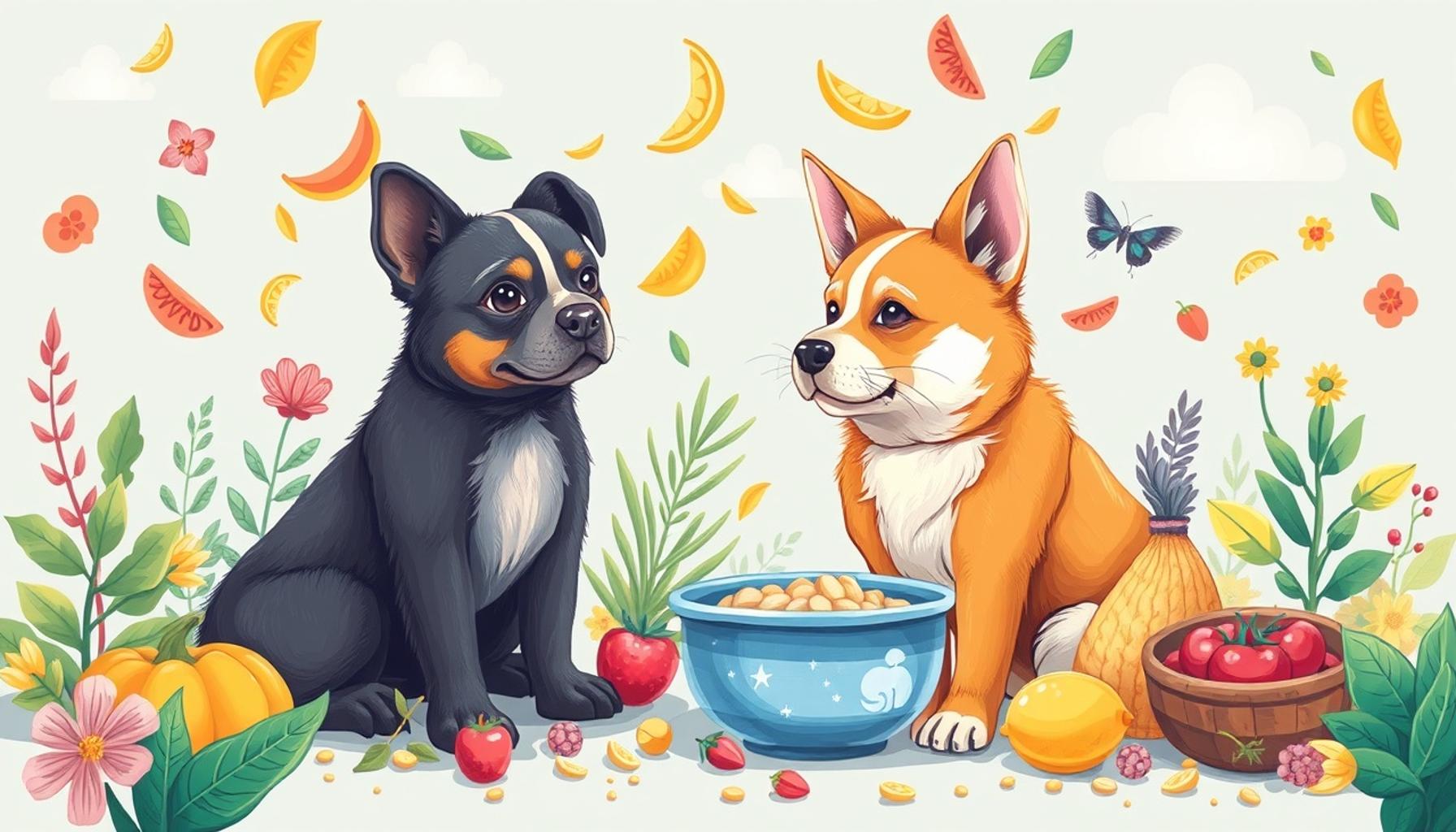
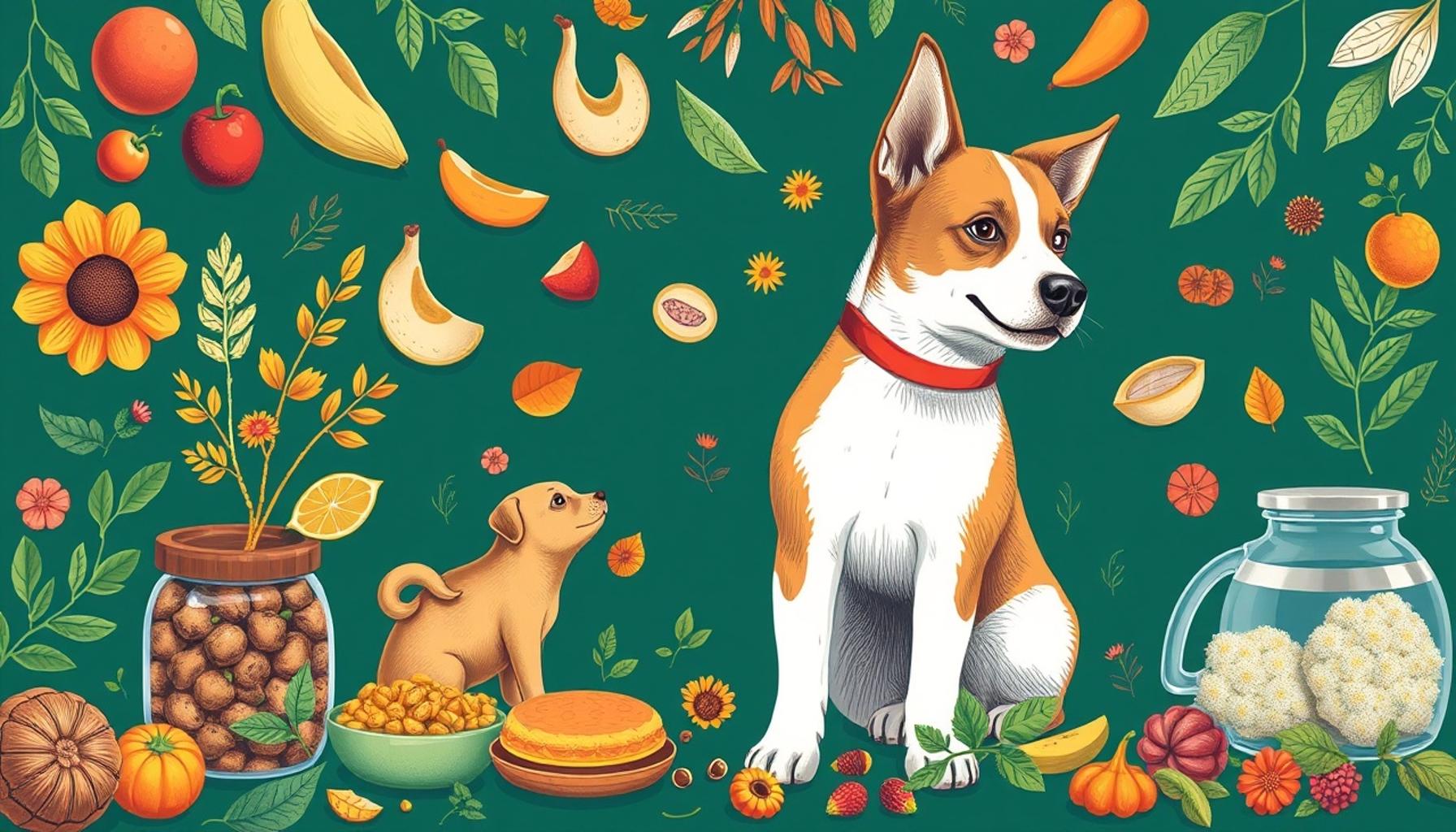
The landscape of pet nutrition has undergone a remarkable transformation in recent years. With pet owners increasingly prioritizing the health and well-being of their furry companions, the demand for natural pet food has surged. This shift reflects a broader trend towards wellness and holistic living that is influencing consumer behavior across various industries. Many owners are now seeking options that not only nourish their pets but also align with their values regarding sustainability and health.
Key Factors Influencing Natural Pet Food Adoption
As you explore the evolution of natural pet food, consider these key factors:
- Ingredient Transparency: Pet food labels now showcase whole foods, such as real meat, vegetables, and whole grains, typically sourced from sustainable farms. This shift allows consumers to make informed choices, fostering trust in the brands they select. For instance, many pet food brands now display sourcing information directly on their packaging, highlighting local suppliers or organic farms.
- Health Benefits: Many believe that natural diets can lead to improved skin and coat health, increased energy levels, and enhanced overall vitality in pets. Certain ingredients, like omega fatty acids found in fish or probiotics for digestive health, are touted for their specific benefits. Pet owners frequently share testimonials online about noticeable improvements in their pets’ well-being after switching to natural diets.
- Brand Accountability: Companies are increasingly held responsible for their sourcing and manufacturing practices. Social media has empowered consumers to voice their concerns, pushing brands to embrace transparency. Video documentaries and social media campaigns expose questionable practices, causing brands to react swiftly to maintain their reputation in a competitive marketplace.
Challenges in the Natural Pet Food Market
However, the journey towards natural pet nutrition has not been without its hurdles. Numerous challenges confront both consumers and brands in this evolving market:
- Regulatory Standards: Compliance with regulations can be complex and vary significantly across states. The absence of a standardized definition of what constitutes “natural” can lead to confusion among consumers, complicating their purchasing decisions and sometimes misleading them regarding product quality.
- Cost Implications: Natural pet foods often come with a higher price tag compared to traditional options, which may deter some consumers. Brands that focus on premium ingredients tend to pass those costs onto consumers, raising questions about affordability, especially for families with multiple pets.
- Nutrition Concerns: Some experts express doubts about whether home-cooked or raw diets sufficiently meet all nutritional needs. Veterinary nutritionists emphasize the importance of balanced diets, leading to debates amongst pet owners regarding the best approach to feeding their pets. As a result, there is a growing demand for consultation services with veterinary professionals to navigate these complex decisions.
Conclusion
As we delve deeper into this topic, we will uncover enlightening insights while addressing practical concerns that will aid pet owners in making informed choices. The journey towards understanding natural pet food opens a dialogue about the intersection of pet health, ethical sourcing, and consumer responsibility, making it an essential topic for any pet lover today.
Understanding the Shift in Pet Food Choices
The steady rise in the popularity of natural pet food is more than just a trend; it represents a fundamental shift in how pet owners view the diets of their beloved animals. A combination of increasing awareness about pet health and nutrition, along with growing concerns about the environmental impact of conventional manufacturing processes, has propelled natural pet food to the forefront of the market. This shift is not simply fueled by marketing; it reflects deeper values about well-being and the relationship between pets and their owners.
One striking aspect of this transformation is the increasing awareness of ingredient quality. The introduction of natural pet foods has largely been driven by pet owners looking for alternatives to traditional kibble laden with fillers and artificial preservatives. Many are now deeply interested in understanding what goes into their pets’ food. As a result, brands have responded by offering transparency with detailed labeling that includes not only ingredients but also the story behind each component. This commitment to transparency helps consumers feel more connected to the products they purchase.
The Role of Consumer Education
Consumer education plays a vital role in the growing preference for natural pet food. Initiatives by pet food companies aimed at educating consumers about pet nutrition have been particularly effective. Owners now have access to resources ranging from detailed blog posts and educational videos to interactive programs hosted by veterinarians. Many pet food brands even collaborate with veterinary nutritionists to provide accurate information on their websites. This trend not only empowers pet owners but also contributes to a more discerning customer base that seeks high-quality ingredients for their pets.
As education deepens, the benefits of natural diets become increasingly evident. Numerous studies suggest that natural pet foods can lead to:
- Improved Digestive Health: Ingredients rich in fiber and natural probiotics, commonly found in natural pet foods, help in maintaining gut health.
- Enhanced Energy Levels and Activity: Many pet parents report that their pets display higher energy and vitality after transitioning to a natural diet, undoubtedly impacting their overall quality of life.
- Better Skin and Coat Condition: A diet rich in omega fatty acids, commonly found in fish and supplemented in natural foods, contributes to healthier skin and a shinier coat, an aspect of pet wellness that is frequently monitored.
Despite the evident benefits, shifts toward natural ingredients are complicated by an array of challenges that both consumers and manufacturers must address. Issues such as ingredient sourcing, fluctuating prices, and varying nutritional standards introduce complexity into the landscape of natural pet food. As consumers navigate these challenges, many are determined to make informed decisions that benefit both their pets and the environment.
The evolution of natural pet food is a journey marked by significant strides and ongoing obstacles. As we explore more about the benefits and challenges inherent in this growing industry, pet owners can feel increasingly equipped to make choices that best suit their furry companions’ needs.
The Evolution of Natural Pet Food: Benefits and Challenges
As pet owners become more aware of the ingredients in their pets’ diets, the shift toward natural pet food has gained momentum. This evolution speaks volumes about our understanding of pet health and nutrition. Below is a comprehensive table detailing the advantages of natural pet food, designed to enlighten readers on its multifaceted benefits and associated challenges.
| Category | Details |
|---|---|
| Nutrition | Natural ingredients provide optimal nutrition, essential for maintaining a healthy lifestyle. |
| Digestibility | Pet foods made from whole, natural ingredients are often more easily digestible, promoting better absorption of nutrients. |
| Ingredient Transparency | Natural pet food brands typically offer greater transparency in sourcing ingredients, ensuring that pet owners know what they feed their pets. |
| Allergy Management | Natural foods can help in managing food allergies and sensitivities due to limited and identifiable ingredients. |
As we venture deeper into the subject of natural pet food, it is essential to recognize the numerous advantages that support its growing popularity. However, pet owners should also remain aware of the challenges, such as certification processes and potential higher costs, that may accompany the transition to a more natural diet. As this trend continues to evolve, staying informed can greatly benefit both pets and their owners.
Navigating the Landscape of Natural Pet Food
As the demand for natural pet food continues to surge, it becomes increasingly important for consumers to understand the landscape they are navigating. The transition towards natural products is exciting and promising but is accompanied by a set of challenges that can pose dilemmas for pet owners. One of the most significant issues is ingredient sourcing. With a growing emphasis on sustainability, many brands are committing to ethically sourced ingredients, but this can complicate the supply chain. Limited availability of high-quality natural ingredients may lead to variability in product offerings, alongside potential price fluctuations. Pet owners may find themselves weighing the benefits of higher costs against perceived quality and ethical standards.
The disparity in nutritional standards also presents a challenge. Unlike human food regulation, the pet food industry in the United States is governed by the Association of American Feed Control Officials (AAFCO), which sets nutritional guidelines. However, compliance is not uniform across brands, leading to a lack of transparency regarding what constitutes a “natural” product. Pet parents are sometimes left to decipher ambiguous labels, which can be daunting. For instance, terms like “grain-free,” “holistic,” and “natural” are often used interchangeably, leading to confusion about what distinctions exist between them. This complexity emphasizes the need for continuous consumer education and advocacy for clearer regulations within the industry.
The Role of Transparency and Accountability
In response to these challenges, many companies are striving for transparency and accountability. A growing number of natural pet food brands engage in rigorous third-party testing and certification processes to validate their claims about ingredient integrity and nutritional value. Consumers are encouraged to seek out brands that are willing to openly share sourcing practices, ingredient details, and independent testing results. This information not only builds trust but also empowers pet owners to make informed decisions.
A notable trend that emerges in the landscape of natural pet food is the expansion of raw diet options. Some advocates argue that feeding pets a raw diet, which typically includes uncooked meat, vegetables, and bones, mirrors their ancestral eating habits. While proponents assert that raw diets can lead to better digestion and healthier coats, they also come with unique challenges, such as the risk of bacterial contamination, which must be carefully managed. Pet owners contemplating this option must educate themselves about safe handling and preparation techniques, reinforcing the need for ongoing consumer education.
Moreover, navigating allergies and sensitivities presents an additional layer of complexity for pet owners. As natural diets often feature a more diverse range of ingredients, pet parents may find that certain foods negatively impact their pets, prompting careful monitoring and adjustments. With pet food allergies on the rise, the responsibility falls to dog and cat owners to observe their pets’ reactions and consult with veterinarians when necessary, ensuring individualized diets that cater to specific health needs.
Overall, the evolution of natural pet food encapsulates a fascinating intersection of consumer choice, ethical considerations, and nutritional science. While benefits and challenges are inherently linked, both pet owners and manufacturers have the opportunity to shape a future that prioritizes the health of pets, foster sustainable practices, and build a deeper understanding of nutrition in pet care.
Conclusion: Embracing the Future of Natural Pet Food
The evolution of natural pet food has ushered in a new era where pet owners are increasingly driven by a desire for quality and transparency. As we have explored, the benefits of choosing natural products—ranging from improved health and well-being to ethical sourcing—are compelling. However, these advantages are paired with significant challenges such as ingredient variability, regulatory inconsistencies, and the complexities of dietary sensitivities. Navigating this intricate landscape requires a discerning eye and a proactive approach from pet owners.
For consumers, the journey into the natural pet food market necessitates vigilance and informed decision-making. Understanding labeling practices, seeking brands that emphasize transparency, and researching dietary needs tailored to individual pets are crucial steps. As the industry evolves, advocates for clearer regulations and labeling standards will be vital in helping pet parents differentiate between authentic natural options and those that may not meet the inherent promises.
Moreover, the growing trend towards raw diets adds yet another layer of scrutiny. While they may mirror the ancestral diets of pets, they demand a commitment to safe handling and a thorough understanding of nutritional balance. As pet owners continue to make choices informed by both love for their pets and a growing awareness of health impacts, the importance of continuous education cannot be overstated.
In conclusion, the evolution of natural pet food is reshaping the landscape of pet care, inviting pet owners to participate actively in their pets’ dietary journeys. By embracing this evolution with an eye towards sustainability, ethical considerations, and nutritional clarity, individuals can contribute to a future that not only enhances the lives of their pets but also aligns with broader values of health and environmental stewardship.

Linda Carter
Linda Carter is a writer and pet care specialist passionate about animal health, behavior, and well-being. With extensive experience helping pet owners make informed decisions, Linda shares practical advice on nutrition, daily care, training, and creating a safe, loving environment. Her goal is to provide clear guidance, useful tips, and accessible information that help readers better understand their pets and give them happier, healthier lives.