
Using Target Training to Enhance Your Pet’s Learning Experience
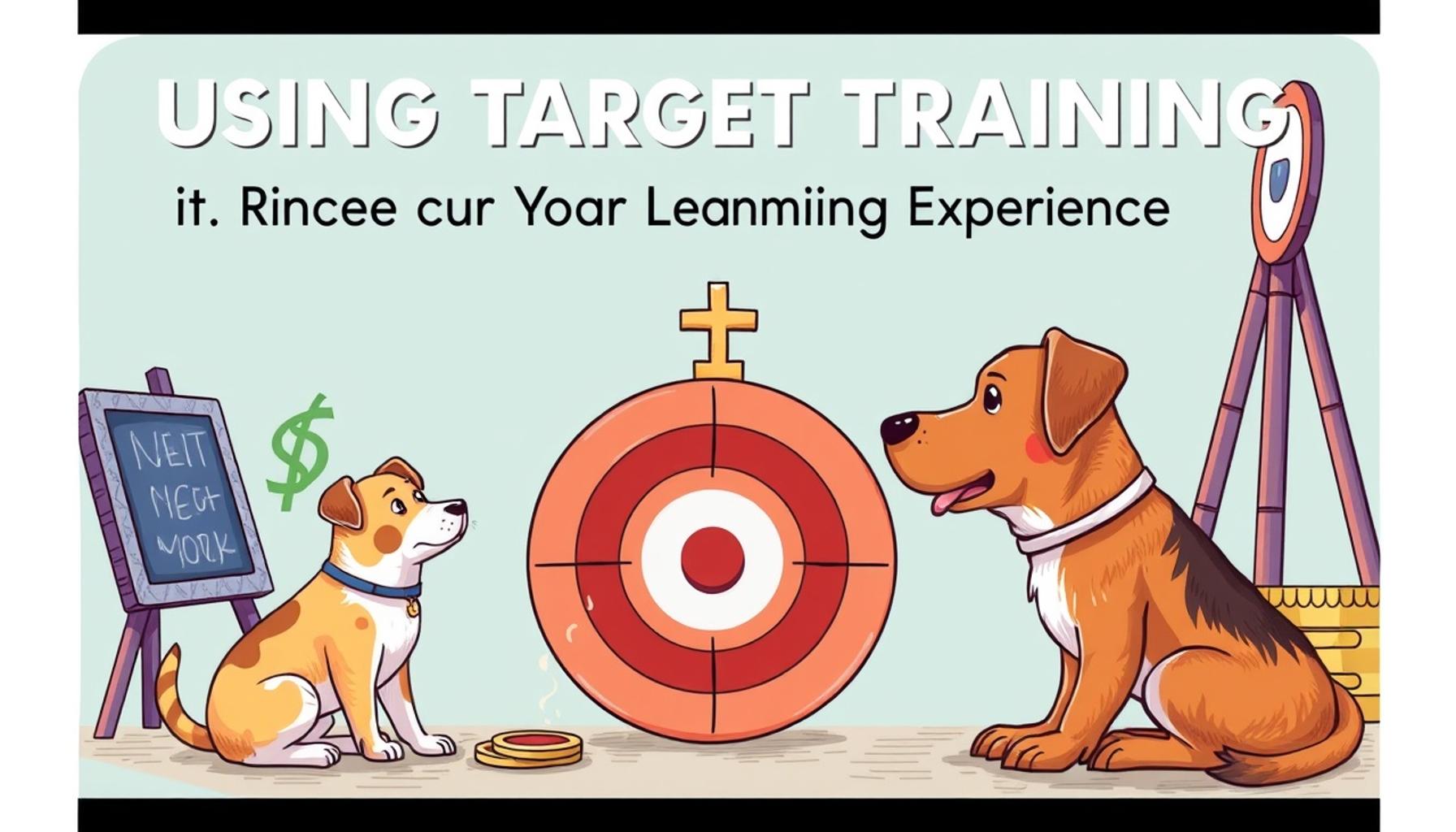
Unlocking Your Pet’s Potential
Have you ever wondered how to transform your pet’s learning experience into something extraordinary? Target training may be the key. This innovative approach not only enhances obedience but also fosters a stronger bond between you and your furry companion.
Target training involves teaching your pet to touch or interact with a specific object, often referred to as a “target.” This can be something as simple as a stick, a pom-pom, or even your hand. By guiding your pet to engage with this target, you create a clear path for communication and learning. Through consistent practice, you can achieve remarkable outcomes that will not only impress your friends but also enrich your pet’s life.
The benefits of target training are multifaceted. Here are some key advantages:
- Improved Communication: Target training establishes a clear way to convey your expectations. When your pet learns to associate a specific action—like touching a target—with a reward, it fosters an effective dialogue between the two of you.
- Enhanced Focus: This method helps your pet concentrate during training sessions. By having a designated target, your pet can hone in on their task, which is especially beneficial for animals that may be easily distracted.
- Increased Motivation: Utilizing positive reinforcement as a core principle of target training keeps your pet engaged. Treats, praise, and play are powerful motivators that make learning enjoyable, ensuring your pet remains eager to participate in training sessions.
Moreover, target training can be adapted to suit various animals, whether you have a dog, cat, or even a bird. For example, dog owners can teach their pets to touch a target with their nose; meanwhile, cat enthusiasts might use target training to help their feline friends learn tricks or behaviors that can reduce stress and anxiety. Even birds, like parakeets, can benefit by being trained to fly to a target, promoting physical activity and mental stimulation.
The versatility of this method makes it appealing to pet owners across the United States. As people increasingly view pets as part of the family, innovative training approaches like target training align perfectly with the desire for holistic and enriching experiences for their pets.
In the following sections, we will delve deeper into the principles of target training, offering valuable tips and techniques to maximize your pet’s learning experience. You will learn about the importance of consistency, patience, and the playful nature of training. By the end of this article, you’ll be equipped with the knowledge to embark on a rewarding training journey with your pet, enhancing not only their skills but also the bond you share.
DISCOVER MORE: Click here to find your perfect pet
Understanding the Basics of Target Training
At its core, target training is a method that revolves around the principle of encouraging your pet to interact with a designated item. This approach can significantly streamline the training process, making it more enjoyable and beneficial for both pet and owner. But how do you get started? Understanding the foundational steps is essential to harnessing the full potential of target training.
The first step is to identify an appropriate target. This can vary based on your pet’s preferences and capabilities. For dogs, a fun and brightly colored stick can grab their attention. Cats might be enticed by a small pom-pom or even your finger. For birds, a lightweight stick or a specific spot in the cage can serve as an effective target. No matter the choice, ensure it is easily identifiable and something your pet will be motivated to touch or interact with.
Once you’ve established a target, the next critical step is introducing it to your pet. Here’s a simple five-step process to effectively implement target training:
- Present the Target: Show the target to your pet in a way that captures their attention. If they’re curious about the item, they’re more likely to engage with it.
- Encourage Interaction: You may need to encourage your pet to touch the target with their nose or paw. Use treats to motivate them to get close to the target.
- Positive Reinforcement: As soon as your pet makes contact with the target, immediately reward them with praise or a treat. This reinforces the behavior you want to encourage.
- Repeat and Practice: Consistency is key. Repeat the process multiple times until your pet associates the target with receiving a reward.
- Gradually Increase Complexity: Once your pet is touching the target consistently, you can begin to introduce more complex commands or behaviors associated with the target, expanding their repertoire of skills.
This simple yet effective process opens the door to numerous learning opportunities for your pet. As they become proficient in target training, you can introduce various commands and tricks, such as “come,” “sit,” or even fun activities like agility training. This not only keeps your pet engaged but also stimulates their mind and improves their overall well-being.
Additionally, each training session presents an opportunity for play, bonding, and cognitive stimulation. Many pet owners have reported noticeable improvements in their pets’ behavior and attitudes toward training once they began implementing target training techniques. Given that mental exercise is just as important as physical exercise, target training provides a dual benefit that is crucial for a balanced pet lifestyle.
In the upcoming sections, we will explore the role of consistency and patience in training, how to deal with common challenges, and ways to maximize your pet’s learning experience using target training. By establishing a routine and remaining engaged, you can transform your pet’s learning journey into an exciting adventure that enhances both their skills and your bond.
| Advantages | Details |
|---|---|
| Enhanced Focus | Target training fosters concentration by directing your pet’s attention to a specific point, minimizing distractions. |
| Improved Communication | Utilizing targeting techniques helps develop a clearer understanding between you and your pet, enhancing both training and bonding. |
Exploring the benefits of using target training can significantly transform your pet’s training experience. The approach not only builds a solid foundation for teaching new commands but also plays a crucial role in fostering emotional connections. Remarkably, pets often respond better when they have a clear visual cue, making the learning process more efficient and enjoyable. This method taps into the natural instincts and curiosity of pets, encouraging them to engage with their surroundings in a constructive way. By incorporating target training into your routine, you unlock the potential for deeper interactions and learning. The progress you witness can be incredibly rewarding, providing both owner and pet with a sense of achievement. Interested in enhancing your pet’s learning experience? Target training offers an innovative and effective solution that is worth exploring further.
DISCOVER MORE: Click here to learn about balanced nutrition for your pet
The Importance of Consistency and Patience in Target Training
While the mechanics of target training may seem straightforward, the real magic lies in consistency and patience on the part of the pet owner. Training a pet, regardless of its species, becomes less about the techniques employed and more about the relationship between owner and animal. By establishing a clear routine, you can create an environment ripe for learning where your pet feels secure and motivated to engage.
Consistency is vital in the application of commands and cues associated with the target. For example, if your command for your dog to touch the target is “touch,” you must use that term exclusively. Mixing in variations like “hit,” “bump,” or “poke” can confuse your pet and inhibit progress. It’s essential to keep your training sessions brief but frequent—aim for 5 to 15 minutes at a time, several sessions throughout the day. This regularity helps solidify the behaviors you’re nurturing, making the learning process smoother.
According to a study conducted by the Association of Professional Dog Trainers, pets learn best when their training is interspersed with adequate breaks and playtime. This incorporation of play not only keeps sessions lighthearted but also enhances memory retention by associating learning with positive experiences. Furthermore, using varied environments can introduce additional challenges that sharpen your pet’s focus and skills. If your dog learns to target indoors, try moving the training sessions outside to a more distracting setup.
Addressing Common Challenges
Every pet is unique, and you may face challenges along the way that can impede their learning experience. Common obstacles include distractions, fear, or lack of drive to engage with the target. For instance, some pets may become overly excited in new environments and struggle to focus on training. To counteract this, it may be beneficial to start your training in a quieter setting before gradually introducing distractions. If your pet is easily frightened or anxious, it’s crucial to practice patience by allowing them to adjust, thus ensuring a more comfortable training environment.
Another challenge can arise from a lack of motivation. If your pet does not seem interested in the target, reconsider the item you are using. Sometimes the target may not appeal to them or seem meaningful. Offering high-value treats or toys as rewards can help rekindle their interest and stir enthusiasm. It could also be a matter of adjusting the training dynamics; some pets thrive on high-energy training sessions, while others respond better to calmer approaches.
Maximizing Learning Through Engagement
As you journey through the world of target training, remember that this is more than just a method for skill development; it’s a means to deepen the bond between you and your pet. Engaging in training sessions that allow for interaction and fun helps to establish trust. Take the time to observe your pet’s reactions and adapt your training style accordingly. This responsiveness will not only elevate their learning experience but will also enhance their overall wellbeing, making training a joy rather than a chore.
The journey of target training can serve as a cornerstone for developing a well-rounded, well-behaved pet that enjoys learning new things. Continue exploring various aspects of target training, using it to introduce new commands or even to correct behavioral issues. The more you invest in this training method, the more your pet will flour i sh both mentally and emotionally.
DON’T MISS: Click here to learn why parasite control is vital for your pet’s health
Conclusion: The Transformative Power of Target Training
In summary, target training is not merely a skill-building technique; it is a transformative approach that can significantly enhance your pet’s learning experience while fostering a deeper, meaningful bond between you and your furry friend. By employing consistent commands and maintaining a patient attitude, you create an environment that is conducive to learning and growth. This consistency, combined with engaging methods such as play and varied settings, can help improve your pet’s memory retention and overall engagement, making training an enjoyable adventure rather than a tedious chore.
Throughout your journey, you may encounter challenges, but recognizing your pet’s individual needs is crucial. By being adaptive and responsive, you’ll find solutions that cater specifically to your pet’s personality, helping them overcome obstacles like distractions and fear. Additionally, consider the motivation behind your training sessions—using enticing rewards can revive interest and enthusiasm, paving the way for successful learning experiences.
Ultimately, target training offers a delightful pathway toward raising a well-rounded, obedient pet. It opens doors to new commands and behaviors while addressing existing issues in a constructive manner. As you delve deeper into the various dimensions of this methodology, remember that each moment spent training is an investment in your pet’s mental and emotional well-being. Your commitment to their learning journey will yield not just a better-behaved pet, but also a joyful companion that thrives in a loving environment.

Linda Carter
Linda Carter is a writer and pet care specialist passionate about animal health, behavior, and well-being. With extensive experience helping pet owners make informed decisions, Linda shares practical advice on nutrition, daily care, training, and creating a safe, loving environment. Her goal is to provide clear guidance, useful tips, and accessible information that help readers better understand their pets and give them happier, healthier lives.