Natural Food vs. Kibble: What is Better for Your Pet?
Understanding Pet Nutrition Choices
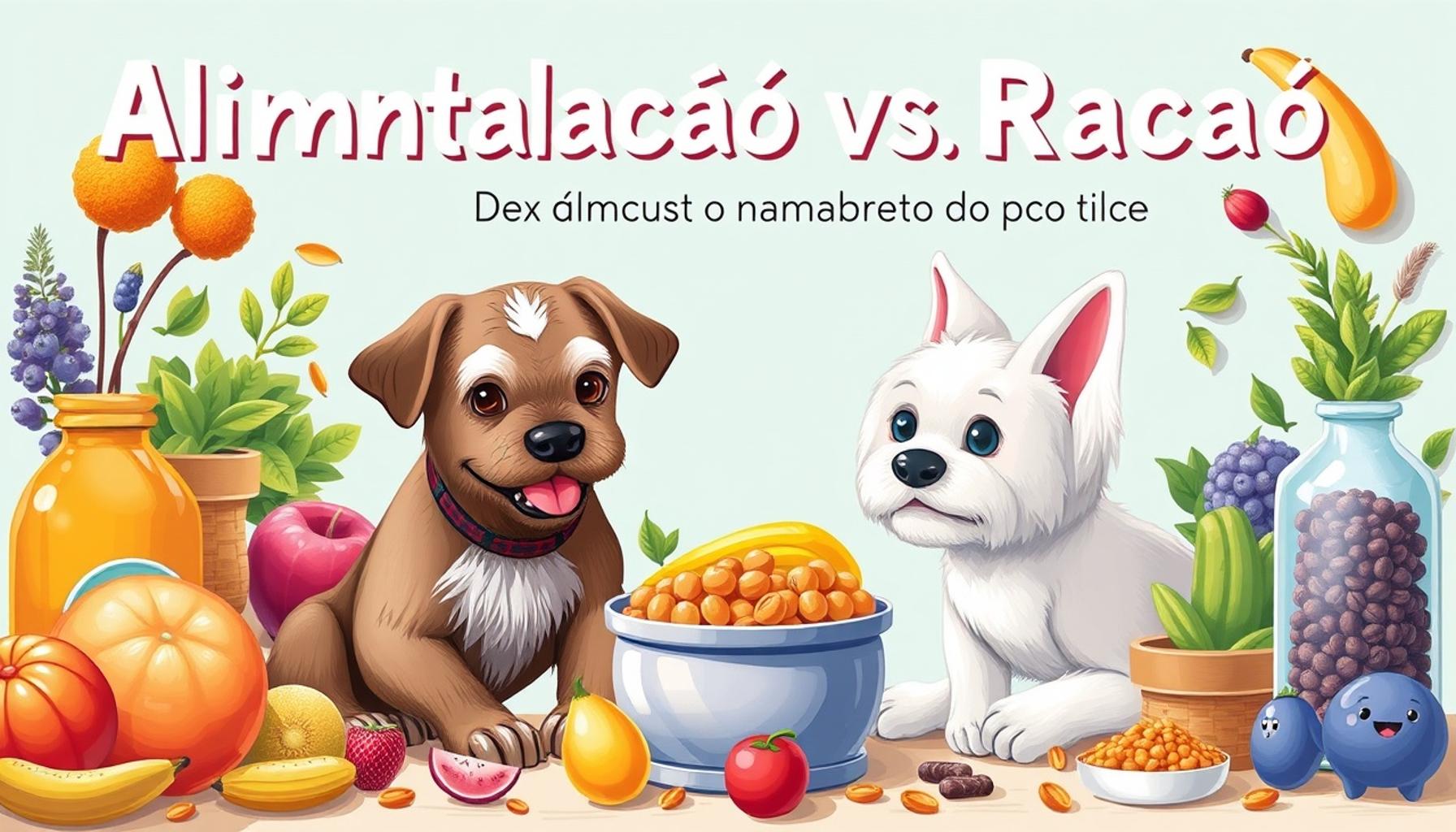
As proud pet owners, there’s an undeniable desire to guarantee the best possible nourishment for our furry friends. With countless options lining the pet food aisles, the debate between natural food and kibble emerges as a hot-button topic. Each choice carries its own set of advantages and potential pitfalls that can significantly affect the health and happiness of our pets.
The Appeal of Natural Food
Natural food comprises a wide range of fresh, whole ingredients, appealing to those who prefer a more holistic approach to their pets’ diets. Options may include:
- Raw meats and fish: Many pet parents opt for a raw diet, believing it mirrors what animals would eat in the wild. Proteins from sources such as chicken, beef, and fish are unprocessed and can contain high levels of essential nutrients.
- Vegetables and fruits: Adding vegetables like carrots, spinach, and peas, along with fruits such as blueberries or apples, can provide vital vitamins and antioxidants.
- Home-cooked meals: Preparing meals at home allows pet owners to control the quality and sourcing of ingredients, guaranteeing a nutritious blend tailored specifically for their pets.
Proponents of natural food often highlight the potential benefits, including improved energy levels, shinier coats, and better digestion. However, transitioning to a natural diet requires careful planning and knowledge about balanced nutrition to avoid deficiencies and ensure optimal health.
The Convenience of Kibble
On the other end of the spectrum lies kibble, which has been a staple in many households for decades due to its significant advantages:
- Long shelf life: Kibble can be stored for extended periods, allowing pet owners to stock up without worrying about spoilage.
- Easy-to-measure portions: Many kibble brands provide feeding guidelines based on a pet’s weight, making it simpler to adhere to recommended serving sizes.
- Cost-effectiveness: Generally, kibble tends to be more affordable than natural food options, making it a practical choice for families on a budget.
Despite its convenience, some kibble varieties may contain fillers or artificial additives, raising questions about their overall nutritional value. Pet owners are encouraged to read labels carefully and choose high-quality brands that prioritize whole ingredients.
Considering the Costs and Trends
In the United States, pet owners invest an astonishing $40 billion annually in pet food alone, reflecting the growing awareness and inclination towards healthier dietary options for pets. As awareness of pet nutrition expands, trends such as raw feeding and high-protein diets garner considerable attention from pet enthusiasts.
This analysis of Natural Food vs. Kibble will unravel the intricacies of each option to aid pet parents in their decision-making process. By delving into the nutritional profiles, preparation methods, and evolving trends in pet diets, we invite you to join us on this enlightening journey toward better pet health. Stay with us as we explore the essential components that can contribute to raising healthier, happier companions.
DIVE DEEPER: Click here to learn more about the evolution of natural pet food
Exploring Nutritional Profiles
When considering the options of natural food versus kibble, it’s essential to take a closer look at their nutritional profiles, as this can heavily influence the overall health and well-being of your pet. Each diet presents its own set of benefits and concerns, making it crucial for pet owners to be well-informed.
Nutrients in Natural Food
Natural food diets are often rooted in whole, unprocessed ingredients, designed to provide pets with a balanced mix of vitamins, minerals, and protein. The advantages of a natural diet typically include:
- Higher Protein Content: Many natural foods, especially raw diets, are protein-dominant, which is significant for a pet’s muscle development and energy levels.
- Abundant Micronutrients: Fresh fruits and vegetables add a plethora of essential vitamins, antioxidants, and minerals that support immune function and provide overall health benefits.
- Minimal Additives: A well-planned natural diet focuses on whole foods, thereby limiting the intake of artificial fillers, preservatives, and chemicals that may be present in some commercial kibble.
Nonetheless, maintaining a balanced natural diet demands effort and knowledge. Pet owners must ensure that the home-cooked or raw meals meet all of their pet’s nutritional needs, which may necessitate consulting with a veterinary nutritionist. Failure to do so can lead to deficiencies or imbalances that may adversely affect your pet’s health over time.
The Nutritional Strengths of Kibble
Conversely, kibble presents a distinctly different profile in terms of nutrition. While many kibble brands have made strides towards improving ingredient quality, understanding what to look for can help in making the right choice for your pet:
- Complete Nutrition: Many premium kibbles are formulated to offer complete and balanced nutrition, often meeting the standards set by organizations such as the Association of American Feed Control Officials (AAFCO).
- Convenient Preparation: Kibble is ready-to-serve, eliminating the need for extensive preparation and monitoring, which is particularly advantageous for busy pet owners.
- Variety of Formulas: Kibble comes in an array of formulas tailored for different life stages, dietary needs, and health conditions, providing flexibility for pet owners who seek specialized nutrition for their companions.
However, it’s crucial to scrutinize ingredient lists, as some budget-friendly kibble options may contain low-quality ingredients and fillers that could undermine their intended nutritional benefits. Choosing brands that prioritize whole ingredients and transparent sourcing can make a significant difference in your pet’s diet.
As the conversation surrounding natural food vs. kibble continues to grow, understanding these nutritional nuances will equip pet owners with the knowledge required to make informed decisions. In the next section, we will delve into the preparation methods and practicalities of each diet, further clarifying the path toward optimal pet nutrition.
| Category | Features |
|---|---|
| Natural Food | Made from whole ingredients, free from preservatives |
| Nutritional Value | Higher digestibility leading to better nutrient absorption |
| Palatability | More appealing taste for pets, encouraging better meal consumption |
| Kibble | Convenient, shelf-stable option with extended shelf life |
| Cost-Effectiveness | More affordable for long-term feeding solutions |
When comparing natural food and kibble, one must examine their unique qualities and how they cater to pet owners’ preferences and pets’ health. Natural food is lauded for its high nutritional value, providing greater digestibility compared to processed kibble. This ensures that essential vitamins and minerals are absorbed more effectively, enhancing overall health.Moreover, natural food often boasts better flavor profiles, enticing pets to eat eagerly. In contrast, kibble presents a convenient option with a longer shelf life, making it easier for busy pet owners. Its cost-effectiveness allows for a more budget-friendly approach to maintaining a pet’s diet without compromising quality.Both avenues warrant consideration, influencing the decision-making process among pet owners looking to provide the best possible nutrition for their beloved companions.
DISCOVER MORE: Click here to learn about pet socialization
Preparation and Practicality
When it comes to feeding our beloved pets, preparation and practicality are key factors that influence the choice between natural food and kibble. Understanding the time, effort, and resources involved in each option can help pet owners make more informed decisions that align with their lifestyles.
Preparing Natural Food
The allure of natural food often lies in the idea of providing pets with fresh, wholesome ingredients. However, preparing these meals can be time-consuming. Owners opting for a natural diet need to consider the following:
- Meal Planning: Crafting well-balanced meals requires careful planning to ensure that all essential nutrients are included. This can involve researching appropriate recipes and understanding portion sizes based on your pet’s breed, age, and activity levels.
- Cooking and Storage: For those choosing to cook for their pets, proper cooking techniques must be employed to avoid harmful bacteria, especially with raw diets. Additionally, storing and preserving homemade food should be considered to ensure freshness while also preventing spoilage.
- Time Investment: Pet owners may need to dedicate significant time each week to meal prep, which can be challenging for those with busy schedules. For many, this time commitment may serve as a deterrent, especially if they have multiple pets.
Ultimately, while a natural diet presents unique advantages, the commitment required can be daunting for some pet owners. Having an efficient system in place for meal prep can mitigate some of these challenges, but it requires a genuine interest and dedication to pet nutrition.
The Convenience of Kibble
On the other hand, one of the most compelling benefits of kibble is its unparalleled convenience. Kibble options are often designed with the busy pet owner in mind, making them an appealing choice:
- Ready-to-Serve: Kibble comes pre-packaged and does not require preparation, allowing for quick and easy feeding, which is invaluable on hectic mornings or after long days.
- Long Shelf Life: Most kibbles have an extended shelf life compared to fresh foods. This not only cuts down on the waste associated with spoiled ingredients, but also makes it easier for pet owners to stock up without the fear of rapid spoilage.
- Portion Control: Kibble packaging typically includes clear feeding guidelines, helping pet owners easily manage their pet’s portions to ensure appropriate caloric intake.
However, it’s essential to seek high-quality kibble options that prioritize nutriend authenticity and ethical sourcing. As pet owners increasingly recognize the importance of good nutrition, many brands are rising to the occasion by improving their formulas and ingredient lists.
As the debate around natural food vs. kibble continues, the practical aspects of each feeding method become increasingly relevant. Understanding how preparation impacts the pet-owner lifestyle can lead to more sustainable choices that benefit both pets and their guardians alike. In the next section, we will explore the health implications of each diet, focusing on how they can influence your pet’s long-term well-being.
DISCOVER MORE: Click here to learn how to care for elderly animals
Conclusion: Making the Right Choice for Your Pet
In the ongoing debate of Natural Food vs. Kibble: What is Better for Your Pet?, the decision ultimately rests on the needs and lifestyle of both the pet and its owner. On one side, natural food promises freshness, enhanced nutrition, and a personalized approach tailored to your pet’s unique dietary requirements. Yet, as we explored, it demands a significant time investment and meticulous planning to ensure nutritional adequacy.
Conversely, kibble stands out for its convenience, longevity, and generally straightforward feeding guidelines. This readiness makes it an enticing option for pet owners navigating busy lives. Moreover, many kibble brands have evolved to offer higher quality ingredients, reflecting an increased awareness of pet nutrition. This evolution suggests that kibble can still offer a balanced diet when carefully selected.
Both options have their merits and drawbacks; it is essential for pet owners to consider what aligns best with their lifestyle and values while prioritizing their pets’ health. Engaging with a veterinarian can also help tailor dietary choices that fit your pet’s individual health needs. Ultimately, whether you decide to embrace natural food or stick with kibble, the most critical factor is ensuring that your pet receives balanced nutrition, love, and care.
With a blend of knowledge and attention, you can provide the best possible diet for your furry companion, keeping their well-being at the forefront as you navigate this crucial aspect of pet ownership.

Linda Carter
Linda Carter is a writer and pet care specialist passionate about animal health, behavior, and well-being. With extensive experience helping pet owners make informed decisions, Linda shares practical advice on nutrition, daily care, training, and creating a safe, loving environment. Her goal is to provide clear guidance, useful tips, and accessible information that help readers better understand their pets and give them happier, healthier lives.