
The Importance of Regular Veterinary Check-ups for Pets
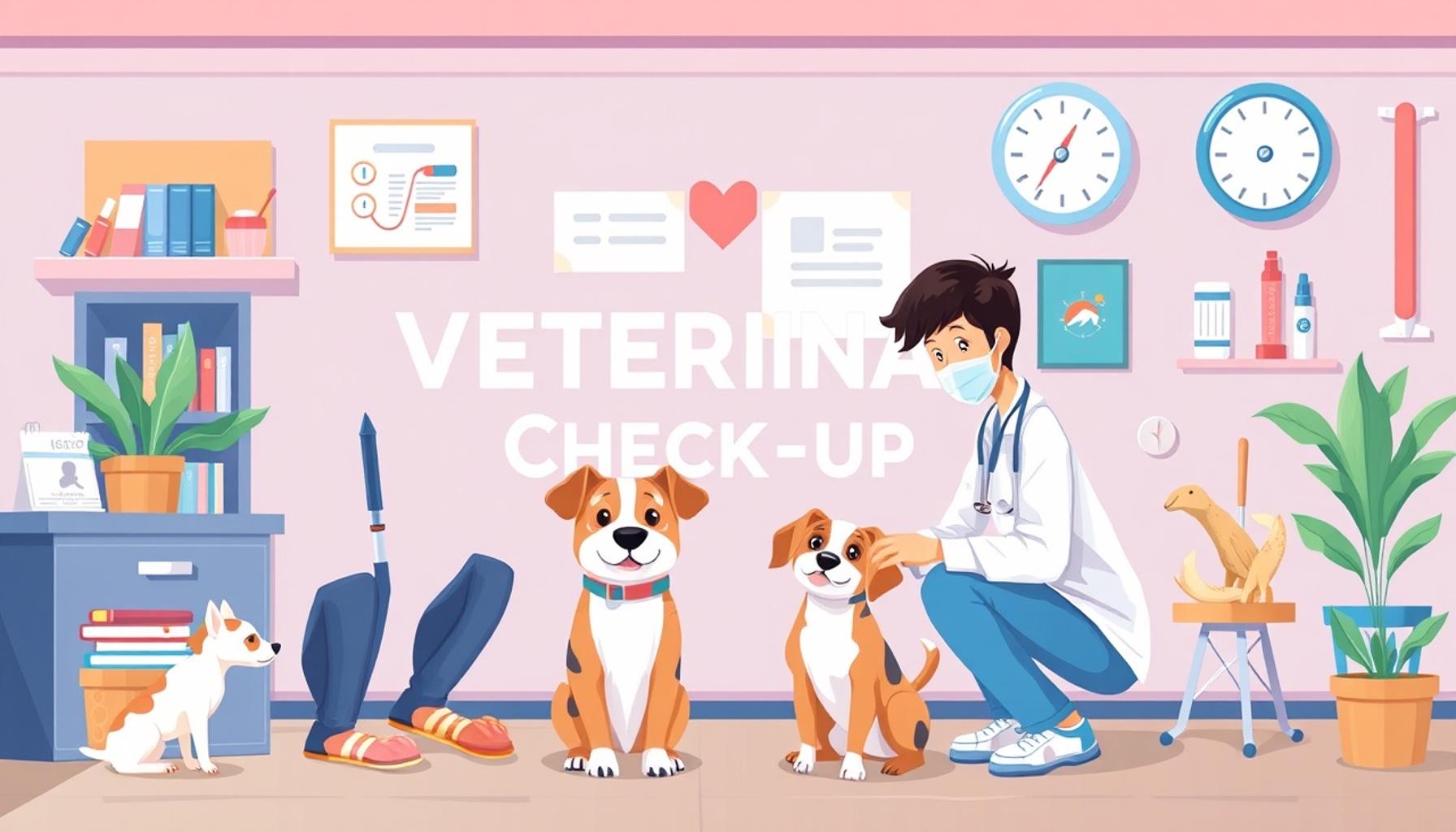
Understanding Your Pet’s Health
As a responsible pet owner, ensuring the health and well-being of your furry friend is of utmost importance. Regular veterinary check-ups play a critical role in maintaining your pet’s overall health and can potentially save their lives. Many pet owners underestimate the value of routine appointments, often waiting until they notice an issue before seeking professional help. This mindset can be detrimental, as pets cannot communicate their discomfort or illness as humans can.
Key Benefits of Regular Check-ups
Veterinary visits are not just routine; they can uncover hidden issues before they become serious. Here are some vital aspects these check-ups address:
- Early Detection: Identifying diseases at an early stage can lead to more effective treatment. For instance, conditions such as diabetes or kidney disease can be managed far more successfully when detected early. Regular screenings allow veterinarians to spot abnormalities in bloodwork, potentially saving your pet from unnecessary suffering.
- Vaccination Updates: Keeping your pet’s vaccinations up-to-date improves their immunity against various diseases. Core vaccinations, including those for rabies, distemper, and parvovirus, are essential in fighting these severe threats. In addition, lifestyle vaccinations based on your pet’s environment and activities may be recommended, such as the Bordetella vaccine for dogs who visit parks or daycare.
- Diet and Nutrition: Veterinarians can provide valuable insights on your pet’s dietary needs to ensure they lead a healthy lifestyle. With the rise of obesity in pets, which affects approximately 56% of dogs in the United States according to the Association for Pet Obesity Prevention, tailored nutritional advice can significantly impact your pet’s quality and length of life.
- Behavioral Issues: Discussing any behavioral changes can lead to a better understanding and solutions for your pet’s needs. Issues such as anxiety, aggression, or house-training challenges can often be addressed with professional guidance, ensuring a harmonious household.
A Preventive Approach
Incorporating regular check-ups into your pet care routine is a proactive approach that can help avoid costly treatments down the line. According to the American Veterinary Medical Association, millions of pets suffer from preventable diseases that could have been caught during routine visits. Just as we schedule annual physicals for ourselves, these visits are integral to maintaining your pet’s health.
Ultimately, the health of your pet is intertwined with the care they receive. Regular veterinary check-ups can empower both you and your pet, enhancing the quality of life and ensuring those cherished moments together are as many as possible. Establishing a relationship with a veterinarian and adhering to a check-up schedule can greatly reduce the risk of unexpected health issues, allowing you and your beloved companion to enjoy every playful leap and wagging tail, worry-free.
DISCOVER MORE: Click here to learn about the best food for your pet
Proactive Health Management
Regular veterinary check-ups are an essential component of proactive health management for pets. While many pet owners may tend to overlook these visits, the reality is that a veterinary examination can provide insights that are not always apparent through observation alone. Pets are masters at masking discomfort or pain, which can lead to serious health conditions being undetected for far too long. Therefore, prioritizing these check-ups can help maintain your pet’s well-being and longevity.
Veterinary professionals are trained to detect changes in your pet’s health that may go unnoticed by untrained eyes. Regular check-ups allow veterinarians to establish a health baseline for your pet, making it easier to identify deviations that could signal an underlying issue. This means that comparing past health records can be just as crucial as any current diagnosis. A simple blood test or even a routine dental examination can reveal significant health concerns before they escalate into critical conditions.
Access to Comprehensive Care
During a veterinary check-up, you are not only taking care of preventive aspects but also ensuring access to comprehensive care. Here are some critical areas that regular visits cover:
- Physical Examinations: A thorough physical exam allows the vet to assess your pet’s heart, lungs, abdomen, and more, ensuring that all organ systems are functioning as they should.
- Dental Health: Dental disease is one of the most common issues affecting pets today. During regular check-ups, your vet can check for signs of dental disease, recommend cleanings, and discuss at-home dental care.
- Geriatric Care: As pets age, they face different health challenges. Regular check-ups allow vets to tailor care strategies specific to senior pets, which can include pain management and dietary adjustments.
- Skin and Coat Evaluation: Many skin conditions can develop in pets, from allergies to infections. Regular examinations provide an opportunity to identify and address these issues early on.
Additionally, establishing a relationship with your veterinarian creates a foundation of trust and understanding regarding your pet’s unique health needs. This relationship is critical for ongoing health discussions, whether they pertain to nutrition, exercise, or behavioral changes. The veterinarian becomes an invaluable resource, guiding you on the best practices to promote your pet’s wellness as they navigate through different life stages.
The cumulative effect of regular veterinary check-ups leads to a healthier, happier pet and can significantly reduce the likelihood of costly emergency care down the road. By prioritizing these appointments, pet owners can ensure that their furry companions enjoy the best quality of life possible. Remember, investing in your pet’s health today will lead to countless cherished moments tomorrow.
The Importance of Regular Veterinary Check-ups for Pets
Regular veterinary check-ups are essential for maintaining the health and well-being of your pets. These visits allow for early detection of potential health issues, ensuring that your furry family members receive the necessary treatments before conditions become more serious. In addition to preventing illness, these check-ups often include vaccinations, dental care, and behavioral assessments — all critical components of a pet’s overall health.Veterinarians are equipped with the expertise to provide tailored advice specific to your pet’s breed, age, and health history. This includes guidance on nutrition, exercise, and preventive care strategies that can enhance your pet’s quality of life. Regular check-ups also create a vital opportunity to communicate any behavioral changes that may indicate underlying health problems.Many pet owners might be unaware that certain conditions, such as arthritis or dental disease, can go unnoticed as pets age. Regular vet visits can help identify these issues, allowing for timely interventions that can lead to more favorable health outcomes.To further illustrate these important benefits, consider the following table that outlines key advantages of regular veterinary check-ups for pets:
| Category | Description |
|---|---|
| Preventive Health Care | Regular check-ups can prevent diseases through vaccinations and early screenings, safeguarding your pet’s long-term health. |
| Customized Health Plans | Veterinarians can design personalized nutrition and exercise plans tailored to your pet’s specific needs, promoting healthier lifestyles. |
Investing time in regular veterinary visits not only improves the quality of your pet’s life but can also reduce long-term healthcare costs by preventing serious health issues before they arise. Therefore, prioritize scheduling these vital check-ups to ensure your pet remains happy and healthy throughout their life.
DISCOVER MORE: Click here for more insights
Early Detection of Diseases
One of the most compelling reasons to prioritize regular veterinary check-ups is the early detection of diseases. Many pet owners may be surprised to learn that numerous serious health issues can develop without noticeable symptoms until they reach an advanced stage. Conditions such as diabetes, kidney disease, and cancer can often be asymptomatic in their initial phases, making regular veterinary visits crucial for identifying potential health threats before they become critical.
For instance, according to the American Veterinary Medical Association (AVMA), early diagnosis of diabetes can improve treatment outcomes significantly. Early intervention not only allows for a better management plan but also contributes to better overall quality of life for the affected pet. Similar benefits are observed in conditions like hyperthyroidism in cats, which can be effectively managed if caught early through blood tests during routine check-ups.
Vaccinations and Preventive Care
Regular veterinary check-ups also serve as an opportunity for vaccinations and preventive care. Vaccines are vital in protecting pets from a variety of debilitating and potentially fatal diseases. Core vaccinations—for diseases such as rabies, distemper, and parvovirus—are essential for your pet’s health and often required by law. However, staying updated on vaccines is only part of the preventive care equation.
- Parasite Prevention: During check-ups, veterinarians will often assess your pet for signs of parasites such as fleas, ticks, and worms. Regular parasite treatments can prevent not only discomfort but also serious diseases that can affect both pets and humans.
- Nutritional Counseling: Providing your pet with a balanced diet is critical for long-term health. Veterinarians can recommend food choices, portion sizes, and dietary adjustments based on your pet’s age, breed, and health status.
- Behavioral Assessments: Regular visits are an opportunity to discuss any behavioral changes you may have noticed. Whether it’s increased aggression, anxiety, or changes in appetite, early intervention can help address behavioral issues before they escalate.
Moreover, the recommendation for spaying or neutering pets is often addressed during routine check-ups. These procedures not only prevent unwanted litters but also reduce the risk of health issues, including certain cancers and infections in later life.
Stress Reduction for Pets
While many pet owners view trips to the vet as a stressful experience for their furry friends, consistent visits can contribute to stress reduction over time. By familiarizing pets with the veterinary environment and staff, they are likely to feel more comfortable during each visit. This familiarity can lead to less anxiety surrounding appointments, making it easier for both pet and owner.
As a complement to regular check-ups, pet owners can also take steps to create a positive experience. Using treats, toys, and gentle handling can help reduce stress and make future visits more manageable. A less anxious pet is easier to examine and treat, allowing veterinarians to provide better care.
In summary, the multifaceted advantages of regular veterinary check-ups—ranging from early disease detection to comprehensive preventive care—underscore the importance of integrating these appointments into your pet’s healthcare routine. By doing so, pet owners can ensure their companions lead longer, healthier lives filled with joy and happiness.
LEARN MORE: Click here for essential tips on choosing the right food</p
Conclusion
In conclusion, the significance of regular veterinary check-ups for pets cannot be overstated. These visits are not merely routine; they serve as a vital safeguard against undetected health issues, ensuring early intervention that can dramatically improve treatment outcomes and quality of life. Moreover, the preventive care offered during these appointments, including essential vaccinations and parasite control, is crucial in safeguarding your pet against serious diseases. By addressing nutritional needs and behavioral concerns, veterinarians provide tailored advice that can enhance your pet’s overall well-being.
Additionally, familiarizing your pet with the veterinary environment can effectively reduce anxiety associated with visits, making healthcare a less stressful experience for both pets and their owners. Such proactive measures lay the groundwork for a long-lasting, healthy relationship with your furry companions.
As a responsible pet owner, it is imperative to recognize that regular veterinary check-ups are an investment in your pet’s health and happiness. They offer a unique opportunity to monitor your pet’s health journey and respond effectively to their evolving needs. Thus, scheduling those check-ups timely is not just a recommendation; it is a commitment to ensuring a future filled with joy, vitality, and companionship with your beloved pets. For further insights, pet owners can consult with local veterinary services or explore community resources on pet health maintenance.

Linda Carter
Linda Carter is a writer and pet care specialist passionate about animal health, behavior, and well-being. With extensive experience helping pet owners make informed decisions, Linda shares practical advice on nutrition, daily care, training, and creating a safe, loving environment. Her goal is to provide clear guidance, useful tips, and accessible information that help readers better understand their pets and give them happier, healthier lives.