The Importance of Socialization in Your Pets Life Key Benefits
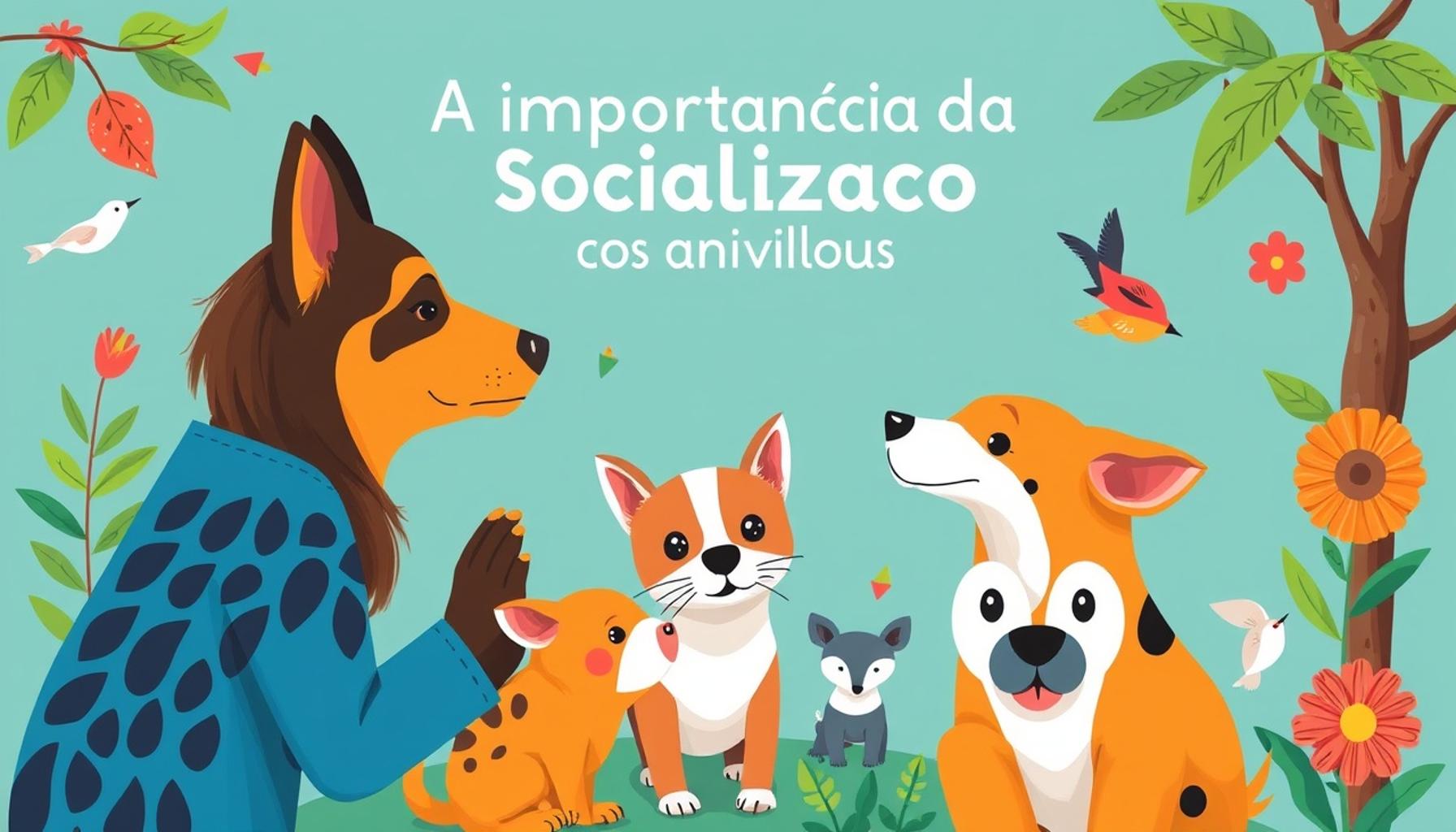
Socialization plays a crucial role in shaping the behavior and emotional well-being of our pets. By interacting with other animals and humans, pets develop essential skills that enhance their quality of life. Understanding the importance of socialization can lead to healthier, happier furry companions.
Here are some key reasons why socialization is beneficial for pets:
- Improved Behavior: Pets that are well-socialized are less likely to display aggression or fear-based behaviors.
- Increased Confidence: Regular interactions help pets feel more secure in various environments.
- Stronger Bond: Socialized pets often have a better relationship with their owners and family members.
- Enhanced Learning: Socialization promotes better learning abilities and adaptability to new situations.
- Emotional Stability: Pets that socialize regularly tend to experience lower levels of stress and anxiety.
In this article, we will explore further the top five benefits of socialization in pets, providing practical insights to help you enrich your pet’s life.
Top 5 Reasons Why Socialization is Essential for Pets
Socialization is a crucial aspect of a pet’s well-being. Much like humans, animals flourish when they have opportunities to interact with one another and engage with their environment. Effective socialization ensures that pets grow up to be well-behaved, confident, and healthy members of the family. In this article, we will delve into the top five reasons why socialization is important in the lives of our beloved pets, beginning from the fifth reason and progressing to the most significant one.
5. Socialization Helps Reduce Fear and Anxiety
One of the key benefits of socializing pets is its ability to reduce fear and anxiety. A lack of exposure to diverse stimuli during their early stages can leave many pets feeling frightened of new experiences, unfamiliar sounds, and unknown people. Such fears often lead to defensive or aggressive behaviors, which can make life challenging for both the pet and the owner.
Consider, for instance, a dog that is regularly taken to busy parks during its puppyhood. This dog is more likely to remain calm and composed in chaotic environments compared to one that has not received similar exposure. By gradually introducing pets to varied environments, sounds, and social interactions, owners can guide their animals towards developing confidence, reducing incidences of anxiety-related behaviors.
Examples in Real Life
- A cat introduced to various household sounds like vacuum cleaners and doorbells from a young age might be less prone to panic when these noises occur.
- Dogs attending puppy socialization classes learn to be less apprehensive about other dogs, reducing aggressive tendencies during adult years.
4. Socialization Fosters Good Behavior
Pets that are well socialized exhibit better behavior compared to those that are left isolated. When animals are exposed to different scenarios and challenges, they learn how to respond appropriately. This can lead to fewer behavioral problems as they mature.
For instance, a well-socialized dog is likely to understand the concept of personal space, making it more enjoyable and safer for playdates with other pets. Moreover, a study found that pets who engage in regular socialization activities show reduced signs of stress and can adapt more easily to changes in their environment. Consequently, owners should consider enrolling their pets in training classes and arranging playdates to promote positive behavior.
Effective Strategies for Better Behavior
- Enrolling in training classes helps reinforce discipline and obedience in a structured setting.
- Playdates with other pets teach animals to share, wait their turn, and interpret social cues, leading to harmonious interactions.
3. Improved Physical Health
Socialization contributes significantly to a pet’s physical health. Regular interactions with other animals promote exercise and exploration, both of which are essential for maintaining a healthy weight and overall vitality. Active play, such as chasing each other or play wrestling, effectively improves cardiovascular health in pets.
Furthermore, socialized pets are generally less stressed, which is beneficial for their immune systems. Stress is known to be a common trigger for various health issues, including digestive problems and obesity. Therefore, a well-socialized pet that stays active and mentally stimulated tends to have a stronger constitution and fewer health-related concerns.
Physical Health Benefits from Socialization
- Regular play sessions help combat obesity and keep pets agile and fit.
- Reducing stress through social interaction may lead to a lower risk of stress-related illnesses.
2. Enhances Communication Skills
Similar to humans, pets rely on communication for interaction. Socialization significantly enhances a pet’s communication skills. Through consistent interaction, animals learn to read body language and decipher vocalizations more accurately.
For example, dogs that frequently socialize with other breeds become adept at interpreting different play cues, which prevents misunderstandings and potential conflicts. Likewise, cats that are regularly exposed to humans and other animals from a young age are better able to convey their comfort or displeasure through subtle signals.
Communication Skills in Action
- Socialized dogs can effectively understand and respond to a broad range of commands and cues from humans.
- Cats familiar with human interaction are often more expressive, enhancing the owner’s ability to meet their needs.
1. Builds Stronger Bonds with Owners
The most critical reason for socialization is that it builds stronger bonds between pets and their owners. Socialized pets are generally more comfortable around people, demonstrating increased affection and trust, which fosters a more enjoyable and sustained companionship.
Involvement in activities like neighborhood walks or training classes not only stimulates the pet physically and mentally but also reinforces the human-animal bond. A well-socialized pet often exhibits a higher degree of attachment and can positively impact the emotional well-being of their owner, making them more responsive companions.
Strengthening Bonds Through Socialization
- Regular walks and nature trips provide shared experiences that deepen the connection between pets and their owners.
- Participating in training sessions not only teaches pets but also empowers owners with the skills to communicate and connect more effectively with their animals.
In conclusion, socialization plays a vital role in the overall quality of life for our pets. From reducing fear and improving behavior to fostering better communication and enhancing the bond we share with them, the importance of socialization cannot be overstated. Let’s ensure we provide our animals with the social experiences they need to thrive!
| Category | Key Features |
|---|---|
| Improved Behavioral Traits | Socialization helps pets learn appropriate behaviors. When exposed to different situations and other animals, pets become more adaptable, reducing incidents of aggression and anxiety. |
| Enhanced Mental Health | Social interactions provide mental stimulation for pets. Engaging with other pets and people can decrease loneliness and prevent boredom, leading to a happier and healthier life. |
| Better Physical Health | Regular play with other animals encourages physical activity. This is crucial for maintaining a healthy weight and preventing obesity-related diseases in pets. |
| Stronger Bonding with Owners | Socialization experiences help to build trust and a stronger bond between pets and their owners. This leads to calmer situations at home and a more fulfilling relationship. |
Understanding the significance of socialization in pets is essential for their overall well-being. Each category outlined above plays a vital role in ensuring that pets not only thrive but also integrate smoothly into both their human families and the animal community. Providing consistent opportunities for socialization can lead to more well-rounded and happy pets.
Frequently Asked Questions about the Importance of Socialization in the Lives of Pets
What is socialization, and why is it important for pets?
Socialization is the process of exposing pets to different experiences, people, animals, and environments to help them learn how to behave appropriately in various situations. It is crucial because it aids in developing a pet’s confidence and reduces fear and aggression. Well-socialized pets are typically happier, healthier, and more adaptable to changes in their environment.
At what age should I start socializing my pet?
It’s best to start socializing pets when they are young, ideally within the first few months of their life. Puppies and kittens, for instance, have a critical socialization window between three and 16 weeks of age. However, it’s never too late to start. Adult pets can also learn to socialize, although it may take more time and patience.
How can I safely socialize my pet with other animals?
Begin by introducing your pet to other animals in a controlled and calm environment. Use leashes or barriers, if necessary, to ensure safety. Gradually increase the level of interaction and always monitor their behavior. Positive reinforcement, like treats and praise, can encourage good interactions and help your pet associate being around other animals with positive experiences.
What are some signs that my pet needs more socialization?
Common signs that your pet may need more socialization include excessive fear, aggression toward other animals or people, and nervousness in new environments. Pets that are well-socialized tend to be more relaxed and confident when encountering new situations and individuals.
Can socialization help with behavioral issues in pets?
Yes, proper socialization can address and prevent many behavioral issues. It helps reduce anxiety, aggression, and fear-based behaviors. By exposing your pet to a variety of situations in a positive way, you can help them develop the skills needed to cope with life’s challenges more effectively.
Conclusion: The Vital Role of Socialization for Pets
Throughout this article, we have explored the profound significance of socialization in the lives of our beloved pets. The key takeaway is that socialization is not a mere luxury; it is an essential component of a pet’s well-being and development. From the early stages of life, pets exposed to diverse environments become more adaptable, confident, and well-adjusted.
Proper socialization helps prevent behavioral issues such as aggression or fear, which can arise from isolation or inadequate interaction with humans and other animals. The benefits extend beyond behavior; socialization enriches a pet’s mental and emotional health, providing stimulation and building resilience. For instance, a dog that regularly interacts with various people and animals is less likely to develop anxiety.
The Impact on Human-Pet Relationships
Beyond the individual benefits for the pet, socialization enhances the human-pet relationship. A well-socialized pet is more likely to enjoy outings, visits, and varied experiences with its owner, fostering a deeper bond and mutual understanding. This creates a harmonious living environment and leads to a more fulfilling pet ownership experience.
- Adaptability: Pets that are well-socialized are more adaptable to changes, reducing stress during transitions.
- Emotional Resilience: Regular interaction builds resistance to anxiety and fear-based behaviors.
- Enhanced Communication: Owners can better understand their pet’s cues, resulting in more effective training.
- Improved Trust: Socialization helps build trust between pets and humans through shared experiences.
- Better Lifelong Health: Regular interactions can contribute to a pet’s physical and mental wellness.
In conclusion, committing to the socialization of pets is crucial for their overall health and happiness, leading to a better quality of life. Pet owners must actively partake in their pet’s socialization journey, recognizing it as a lifelong commitment beyond basic care. Ultimately, proactive socialization translates to a more confident and joyful pet, enriching the life of both the animal and its human companions.

Linda Carter
Linda Carter is a writer and pet care specialist passionate about animal health, behavior, and well-being. With extensive experience helping pet owners make informed decisions, Linda shares practical advice on nutrition, daily care, training, and creating a safe, loving environment. Her goal is to provide clear guidance, useful tips, and accessible information that help readers better understand their pets and give them happier, healthier lives.