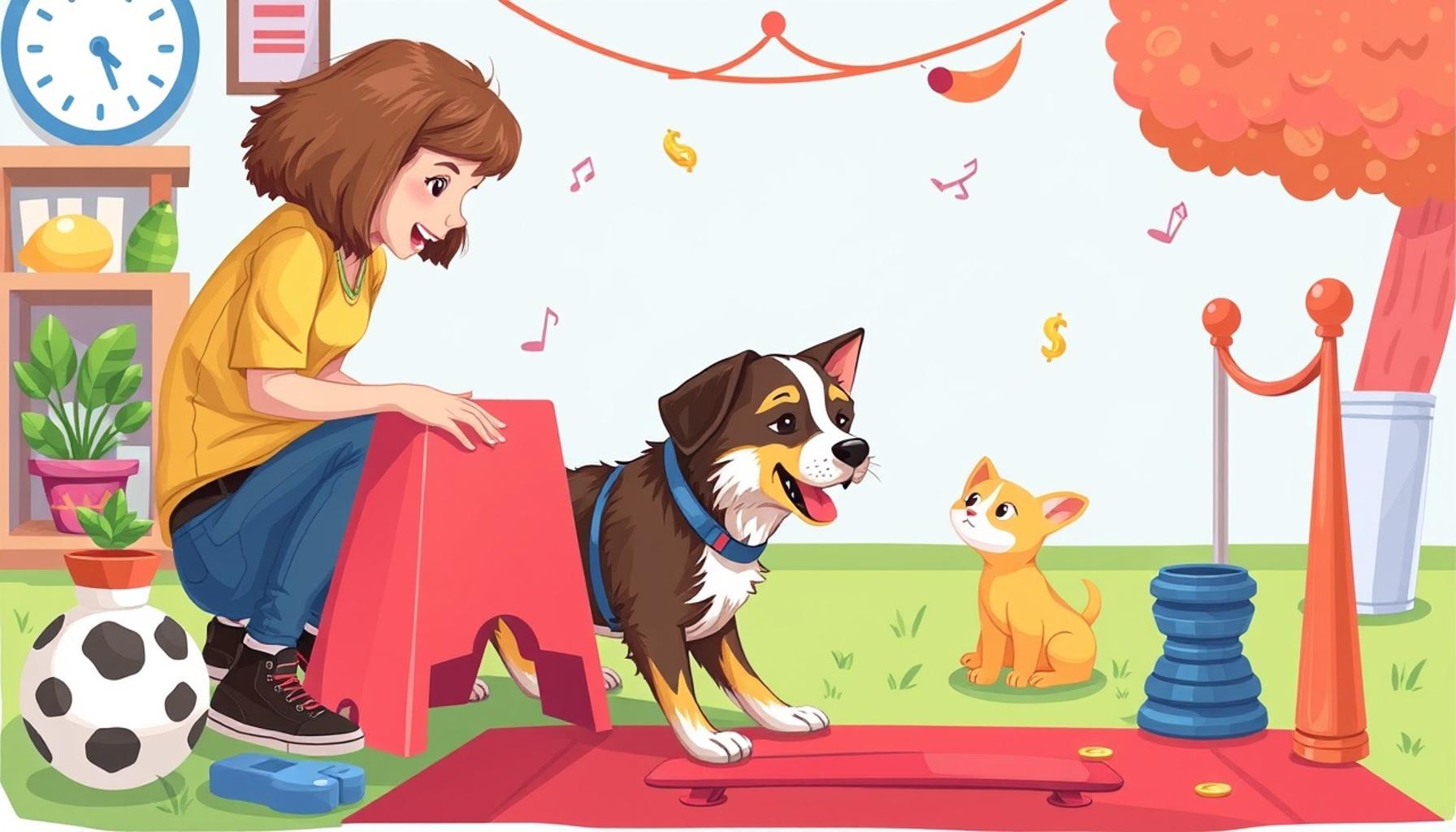
The Importance of Positive Training in Dog Education: Effective Techniques for Building a Healthy Bond

The Power of Positive Reinforcement in Dog Training
In today’s society, where pet ownership has surged—particularly in the United States—understanding how we train our dogs can play a pivotal role in shaping their behavior and our relationship with them. Among the various methods available, positive training stands out as a particularly beneficial approach that not only teaches commands but also nurtures a deeper bond between canine companions and their owners.
This method emphasizes the importance of encouraging desired behaviors rather than focusing on punishment for undesired actions. Implementing strategies such as positive reinforcement can lead to transformative outcomes. Below are some fundamental aspects of positive training that are essential to understand:
- Consistency: Consistent reinforcement—using the same commands and rewards—helps dogs grasp what is expected of them. For instance, using a specific command like “sit” consistently every time you want your dog to sit helps reinforce that behavior.
- Timing: Rewarding a dog immediately after it exhibits good behavior is crucial. This immediacy strengthens the association between the behavior and the reward, making it more likely that the dog will repeat the action. For example, if your dog sits on command and you offer a treat right after, the dog connects the action with the reward.
- Patience: Maintaining a calm and patient demeanor during training sessions fosters a trusting environment. Training can take time, and remaining composed encourages your dog to relax and focus, which is foundational in mastering new skills.
With the increase in pet ownership, particularly in urban areas, understanding the impact of positive training techniques is paramount. Research suggests that dogs raised with these methodologies are:
- More eager to learn: When training is a positive experience, dogs are more likely to engage willingly, making the educational process enjoyable.
- Less stressed: Positive reinforcement creates a low-stress atmosphere, allowing dogs to feel secure and open to learning.
- Better able to socialize: Dogs trained in a supportive environment are typically more comfortable interacting with other pets and people, promoting better socialization skills.
As you explore the intricacies of positive training techniques, consider how they not only foster obedience but also elevate the overall quality of your relationship with your dog. Combining these strategies can lay the foundation for a resilient bond built on trust and mutual respect.
In summary, leveraging positive reinforcement in training can lead to a happier and more well-adjusted dog. It invites you to explore effective strategies that can create a lasting, healthy connection with your beloved canine companion, ensuring that both you and your dog thrive together. Whether it’s a joyful wag at home or a confident stride on a walk, the benefits of positive training are profoundly significant, inviting every dog owner to embark on this rewarding journey.
DON’T MISS OUT: Click here to learn more about how socialization benefits your pets
Understanding Positive Training Techniques
Positive training is rooted in the concept that dogs thrive when they are rewarded for desirable behaviors rather than punished for undesirable ones. This philosophy aligns with the growing body of research demonstrating the efficacy of positive reinforcement techniques in dog education. When pet owners take the time to understand and implement these techniques, they not only improve the behavior of their pets but also enhance their overall quality of life and the strength of their bond.
There are several effective techniques that exemplify the principles of positive training:
- Clicker Training: This method involves the use of a clicker, a small handheld device that emits a distinct sound when pressed. During training, when a dog performs a desired action, the trainer clicks the device and immediately offers a reward. This helps dogs associate good behavior with a positive signal, creating a clear communication channel. Many dog trainers advocate for this technique as it fosters focused learning.
- Treat-Based Rewards: Using treats as motivation is perhaps one of the most well-known aspects of positive reinforcement. By providing small, tasty rewards when a dog follows a command or behaves appropriately, owners can effectively encourage good behavior. It’s important, however, to manage treat sizes to avoid overfeeding. Owners might also experiment with different types of rewards to see what inspires their dog the most.
- Verbal Praise: Dogs are social animals that respond well to vocal encouragement. Incorporating enthusiastic phrases like “Good boy!” or “Well done!” in conjunction with physical rewards can enhance a dog’s training experience. This technique emphasizes emotional bonding, as dogs appreciate the affirming tone and feel connected to their owners.
Adopting these positive training techniques not only benefits dogs during training sessions but has lasting effects on their behavior in everyday situations as well. Dogs trained with positive reinforcement often exhibit signs of:
- Increased Confidence: When dogs are rewarded for their efforts, they begin to associate learning with positive experiences, leading to greater self-assurance in various environments.
- Reduced Anxiety: The supportive nature of positive training helps create a sense of security for dogs. This reduced anxiety is crucial in preventing behavioral issues stemming from fear or stress.
- Enhanced Communication: Positive training emphasizes interaction and dialogue between the owner and their dog, fostering a mutual understanding that can improve overall behavior.
As pet owners navigate the methods of dog training, it is crucial to remember that the goal is not merely obedience but rather to cultivate a harmonious relationship built on trust, understanding, and respect. Adopting positive training techniques opens the door to more profound connections, allowing both dogs and their owners to experience the joys of companionship to the fullest.
| Training Technique | Benefits |
|---|---|
| Reward-Based Training | Enhances positive behaviors and strengthens the bond between dog and owner. |
| Clicker Training | Provides precise feedback that helps dogs understand desirable behaviors quickly. |
| Socialization | Reduces fearfulness and promotes a well-adjusted dog through positive interactions. |
| Positive Reinforcement | Encourages learning in a stress-free environment, ensuring better retention of commands. |
In the realm of dog education, employing effective techniques is pivotal for nurturing a strong connection between owner and pet. The emphasis on positive training directly influences a dog’s behavior and overall emotional state. For instance, using reward-based training not only enhances positive behaviors but also solidifies the bond between a dog and its owner. This approach motivates dogs to repeat desirable actions, paving the path for a more enjoyable training experience.Clicker training serves as another powerful method, offering precise feedback that allows dogs to quickly grasp acceptable behaviors. By associating clicks with rewards, trainers help dogs connect actions with positive outcomes. Additionally, proper socialization is vital. It not only decreases fearfulness but also promotes an emotionally balanced dog, ready to face various situations confidently. Moreover, applying the principle of positive reinforcement encourages an environment where learning occurs without intimidation or stress, leading to better command retention. Each of these techniques contributes to a harmonious relationship founded on trust and understanding. By exploring these explicit training strategies, dog owners can build a healthier bond while effectively guiding their pets into becoming well-behaved companions.
DISCOVER MORE: Click here to learn about the evolution of natural pet food
Building a Healthy Bond Through Positive Training
Creating a robust, healthy bond with your dog goes beyond teaching commands; it involves understanding their emotional and psychological needs. Positive training plays a pivotal role not only in shaping behavior but also in fortifying the relationship between owner and pet. This relationship is critical in fostering a well-adjusted, happy dog. Let’s delve into how certain strategies can further enhance this bond.
Socialization is one of the core elements of dog training that can significantly benefit from positive reinforcement methods. Early exposure to different people, environments, and other animals helps dogs grow into well-rounded companions. When positive experiences are consistently paired with new situations, dogs learn to approach the world with confidence rather than fear. Pet owners should make a concerted effort to incorporate well-structured socialization sessions into training routines, using treats and praise to reward calm and friendly behaviors during these encounters.
In addition, playtime can be an invaluable tool in a trainer’s arsenal. Incorporating games into training sessions not only makes learning enjoyable but also strengthens the emotional ties between dogs and their owners. Activities such as tug-of-war or fetch, when framed as training exercises, provide a platform for creating effective learning moments. For example, during these games, if a dog brings back the toy or drops it on command, owners should offer praise and treats to reinforce this positive behavior. This playful aspect makes the training process enjoyable for both the dog and the owner, enticing the dog to learn eagerly.
Moreover, integrating calm assertiveness into daily interactions can also yield significant benefits. Dogs are known to be highly attentive to their owner’s body language and tone of voice. When owners display calm confidence, dogs are more likely to respond positively to commands and cues. This aspect of dog education emphasizes the need for owners to maintain a relaxed demeanor, showcasing to their pets that they can trust their guidance. A dog’s behavioral confidence can significantly improve when they feel secure in their owner’s leadership, further enhancing the bond they share together.
Research has shown that consistently employing positive reinforcement techniques can lead to a significant decrease in behavior problems, further strengthening the owner-dog relationship. According to a study published in the Journal of Veterinary Behavior, dogs trained with positive reinforcement were notably less likely to exhibit anxiety-driven behaviors, such as barking or destructive chewing. This is especially pertinent in multi-dog households or settings with varying stimuli—minimizing anxiety leads to more enjoyable interactions, both for the dogs and their owners.
Finally, the nurturing aspect of positive reinforcement naturally fosters a sense of trust between dog and owner. When dogs associate training with warmth, rewards, and shared enjoyment, they learn that their humans are allies in their learning journey. Creating a structure that prioritizes positive training opens pathways for effective communication, deeper understanding, and ultimately, a lifetime of companionship.
As we explore the dynamics of positive training, it becomes clear that its impact is profound—not only on obedience but also on the emotional and social aspects of a dog’s life. By focusing on these positive interactions, owners can nurture lasting bonds that are beneficial for both parties, leading to healthier, happier dogs and more fulfilling relationships.
DIVE DEEPER: Click here to learn more about pet adoption
Conclusion: Embracing Positive Training for a Lasting Partnership
In summary, positive training stands as a cornerstone of effective dog education and relationship building. Through techniques that prioritize reward and encouragement, pet owners create a nurturing environment that not only enhances obedience but also promotes emotional well-being. The strategies discussed, such as socialization, engaging playtime, and calm assertiveness, are essential in cultivating a bond rooted in trust and mutual understanding.
The benefits of utilizing positive reinforcement are profound, ranging from significantly reduced behavioral problems to fostering a more confident and secure dog. The transformative impact of this approach transforms training into an enjoyable experience, reinforcing the idea that learning can be fun and fulfilling. By focusing on the positive aspects of the owner-dog relationship, we can look forward to a future filled with shared joys and adventures.
As you navigate your own journey with your canine companion, consider the long-term implications of your training methods. Reflecting on how positive interactions can lay the groundwork for years of companionship is vital. In a world where dogs are viewed as beloved family members, investing time and effort in positive training ensures a harmonious living experience for you and your dog alike. The choice to educate with kindness and understanding undoubtedly paves the way for a lifelong, rewarding partnership.

Linda Carter
Linda Carter is a writer and pet care specialist passionate about animal health, behavior, and well-being. With extensive experience helping pet owners make informed decisions, Linda shares practical advice on nutrition, daily care, training, and creating a safe, loving environment. Her goal is to provide clear guidance, useful tips, and accessible information that help readers better understand their pets and give them happier, healthier lives.