Natural Diet vs Kibble Whats Best for Your Pets Health
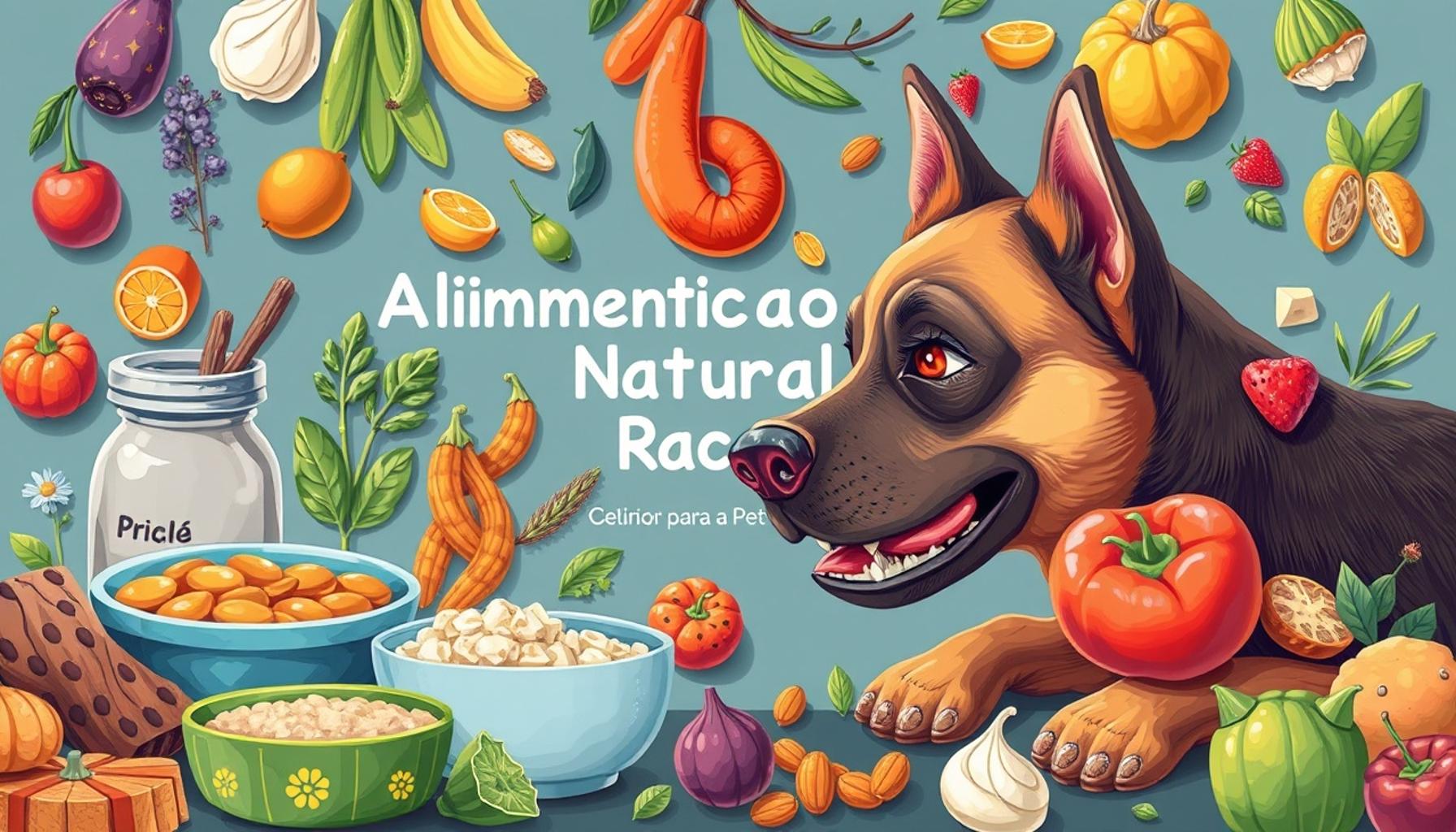
Deciding on the best diet for your pet is a crucial choice that can significantly impact their health and happiness. With numerous options available, pet owners often find themselves torn between the convenience of kibble and the benefits of a natural diet. Understanding the advantages and disadvantages of each can empower you to make the right decision for your furry friend.
- Pet Health: The right diet can lead to improved energy levels, healthier skin, and a shinier coat.
- Digestive Health: Natural diets can be easier on the digestive system for some pets.
- Ingredient Quality: Awareness of what goes into your pet’s food enhances their nutritional value.
In this article, we will explore the key differences between these two feeding methods and provide a ranking of the Top 5 considerations to help you choose the best diet for your pet. We’ll break down essential factors and provide guidance to ensure your companion thrives.
Top 5: Natural Feeding vs. Commercial Food – What’s Best for Your Pet?
When deciding between natural feeding (homemade diets) and commercial pet food (ration), many pet owners find themselves at a crossroads. Each option has its unique advantages and disadvantages. Some pet parents swear by the convenience and nutritional guarantees of commercial foods, while others champion the control and perceived health benefits of homemade diets. In this article, we will explore the topic in detail and provide you with a compelling ranking of which method may be better for your beloved pet.
5. Convenience of Commercial Pet Food
One of the significant advantages of commercial pet food is convenience. Most brands come pre-packaged and can easily be stored, offering a quick and hassle-free option for busy pet owners. Imagine a typical morning rush: grabbing the bag, serving the specified amount, and you’re done! No more scrambling to find fresh ingredients or spending time on meal prep.
For pet owners with hectic lives or those who may lack the knowledge to prepare balanced meals, commercial food is a practical solution. It is designed to be nutritionally complete, saving you the effort of calculating dietary components yourself. However, while convenience is a notable factor, it is essential to remember that not all commercial foods are created equal. The quality can vary greatly between brands, and some might contain fillers or lower-nutrient components. Therefore, paying attention to ingredient quality and nutritional labels is crucial.
4. Cost-effectiveness of Commercial Brands
Commercial pet foods can often seem more affordable compared to creating a natural diet. The economies of scale from bulk purchasing often mean it costs less per serving. Additionally, you may save on supplements, as many commercial foods are fortified with essential vitamins and minerals, providing a comprehensive diet right out of the bag.
However, it’s essential to consider the long-term health implications of your pet’s diet. While homemade meals may require a larger initial investment in high-quality ingredients, they can lead to decreased vet bills by fostering improved health and preventing chronic diseases. For example, naturally fed pets often exhibit fewer allergies, reduced skin conditions, and better weight management, contributing to fewer trips to the veterinarian.
3. Nutritional Balance in Commercial Foods
Most commercial pet foods are formulated to meet the nutritional guidelines set by regulatory bodies, ensuring a balanced diet that includes all necessary nutrients for your pet’s well-being. This means they are crafted to meet specific dietary needs, whether it’s for puppy growth, adult weight management, or special health conditions.
- High-protein formulations for active dogs can support muscle maintenance and recovery.
- Grain-free options cater to pets with allergies or sensitivities, offering alternative sources like sweet potato or peas.
- Special formulas for senior pets are enriched with joint-supporting nutrients like glucosamine and omega fatty acids.
However, not all formulations are created equal. Some commercial brands might prioritize cost-effectiveness over ingredient quality, using cheaper fillers and preservatives. Therefore, it’s vital to research and choose brands that are transparent about their ingredient sources and nutritional commitments.
2. Health Benefits of Natural Feeding
Homemade diets often outrank commercial foods when it comes to freshness and ingredient quality. Preparing meals at home allows you to know exactly what your pet is consuming, ensuring your furry friend avoids fillers, preservatives, or artificial additives often found in commercial options.
Pet owners who shift to natural feeding frequently report improvements such as:
- Enhanced coat condition and reduced shedding due to higher-quality fats like those found in fish and flaxseed.
- Improved digestion because whole foods like chicken, rice, and vegetables are more easily processed by the pet’s digestive system.
- Increased energy levels, enabling more vibrant behavior and responsiveness to exercise and play.
Crafting these meals requires a deeper understanding of animal nutrition, ensuring every meal is balanced and packed with essential nutrients. Consulting with a veterinarian or pet nutritionist can guide you to create a balanced and nutritious diet tailored to your pet’s unique needs.
1. Tailored Nutrition Benefits of Home-cooked Meals
At the top of our list is the ultimate tailored nutrition that a natural diet can provide. Each pet is unique, with dietary requirements that can vastly differ depending on age, health conditions, and activity levels. With homemade meals, you have the flexibility to adjust each meal according to your pet’s current needs, allowing you to be proactive in managing their health.
This customization is vital in various scenarios: is your pet feeling under the weather? You might offer soothing, digestible foods like boiled chicken and carrots. Is your pet gaining excessive weight? You can incorporate lower-fat ingredients and expand their portion of fiber-rich vegetables.
This level of customization is virtually impossible with commercial foods, which are typically designed for the average pet. By preparing meals at home, you can swiftly respond to your pet’s changing health requirements, creating a truly optimized diet for them. This attention to detail can not only improve your pet’s health but also strengthen your understanding and bond with them.
In conclusion, weighing the pros and cons of natural feeding compared to commercial foods is essential for responsible pet ownership. With a keen understanding of your pet’s particular needs, you can devise a meal plan that ensures long-lasting health and happiness. Both options have their merits: commercial food offers convenience and cost-effectiveness, whereas homemade meals provide tailored nutrition and high-quality ingredients. Careful consideration and consultation with veterinary professionals can help you make the best choice for your four-legged friend, fostering a happier, healthier life together.
| Category | Advantages |
|---|---|
| Nutritional Control | With natural feeding, you have the ability to choose fresh, high-quality ingredients, ensuring your pet receives optimal nutrition tailored to their specific needs. |
| Digestive Health | Natural diets, rich in fiber from vegetables and fruits, can lead to improved digestion and can reduce gastrointestinal issues commonly associated with processed pet food. |
| Dental Benefits | Chewing raw meats and bones can naturally clean your pet’s teeth, helping to prevent dental diseases and promote overall oral health. |
| Weight Management | With homemade meals, you can better manage portion sizes and ingredient types, which can help prevent obesity and promote a healthy weight for your pet. |
This section focuses on the substantial advantages of adopting a natural feeding approach for your pets. Emphasizing factors such as nutritional control, digestive health, dental benefits, and weight management allows pet owners to make informed decisions regarding their pet’s diets.
FAQs: Natural Food vs. Commercial Pet Food
What are the main differences between natural food and commercial pet food?
The main difference lies in the composition and preparation of the diet. Natural food is typically homemade and consists of fresh ingredients like meats, vegetables, and grains, which can be tailored to meet your pet’s specific dietary needs. In contrast, commercial pet food (or kibble) is prepared industrially and contains a mixture of ingredients designed to provide a balanced diet. While natural food allows you to control exactly what your pet eats, commercial pet food offers convenience and is formulated to meet general nutritional standards.
Is natural feeding more beneficial for my pet’s health compared to kibble?
Both natural feeding and kibble have their benefits and drawbacks. Natural feeding can provide high-quality nutrients and reduce the risk of food allergies. It also allows for a customized diet that could improve your pet’s coat shine and energy levels. However, it requires careful planning to ensure the diet is balanced and complete. Kibble offers consistency and is generally fortified with essential vitamins and minerals. It is convenient for busy lifestyles and can be more cost-effective in the long run.
How can I ensure a balanced natural diet for my pet?
Ensuring a balanced diet requires understanding your pet’s nutritional needs based on their breed, age, weight, and health status. Consulting with a veterinarian or a pet nutritionist is crucial when transitioning to a natural diet. They can help formulate a meal plan that incorporates the necessary proteins, carbohydrates, fats, vitamins, and minerals. Supplements might be needed to prevent deficiencies and maintain optimal health.
Are there risks associated with feeding my pet only commercial food?
While commercial pet foods are designed to meet basic nutritional needs, they might feature lower-quality ingredients or additives that could affect pets with sensitive systems over time. Pets exclusively on commercial food could miss out on the variety found in natural diets, potentially leading to food boredom or not addressing a specific health condition effectively. Choosing high-quality, reputable brands and occasionally supplementing with fresh foods can mitigate these risks.
Can I combine natural food with kibble in my pet’s diet?
Yes, combining natural food with kibble is an approach known as mixed feeding. This method offers the benefits of both worlds, such as providing balanced nutrition from commercial food while incorporating fresh ingredients. It’s important to ensure that the combined diet remains nutritionally balanced and does not lead to overfeeding. Again, consulting with a veterinarian can provide guidance specific to your pet’s needs.
Conclusion
In conclusion, choosing between natural food and commercial pet food is a significant decision that affects your pet’s health and happiness. Both options have their distinct advantages, and understanding these can guide you in making the best choice for your furry friend.
Firstly, natural foods like fresh meats, vegetables, and grains offer a diet that is free from artificial additives and preservatives. This kind of diet can enhance the pet’s overall well-being, promote healthier skin and coat, and improve digestion. It’s essential for pet owners who opt for this path to ensure a balanced nutrient intake by possibly consulting with a pet nutritionist.
On the other hand, commercial pet food is convenient and specially formulated to meet the nutritional needs of pets. Modern formulations often ensure a balanced diet, taking into consideration the pet’s age, size, and health conditions. This makes it a reliable choice for many pet owners, especially those with limited time to prepare meals.
- Both diets require evaluation: The choice between natural food and commercial food depends on your pet’s individual needs, lifestyle, and your capacity to maintain such a diet.
- Consulting with a vet is crucial: Their expertise can help navigate the nutritional requirements and suggest the best diet plan tailored for your pet.
- Adaptability and monitoring: Regularly monitor your pet’s response to the diet and be flexible to make adjustments when necessary.
Ultimately, ensuring your pet’s dietary needs are met is paramount. Whether you opt for a natural diet or commercial food, the key is providing balanced nutrition and observing your pet’s response to ensure they’re happy and healthy. Remember that every pet is unique, and what works for one may not work for another. Keeping informed and attentive to your pet’s needs will support them in living a full and joyous life.

Linda Carter
Linda Carter is a writer and pet care specialist passionate about animal health, behavior, and well-being. With extensive experience helping pet owners make informed decisions, Linda shares practical advice on nutrition, daily care, training, and creating a safe, loving environment. Her goal is to provide clear guidance, useful tips, and accessible information that help readers better understand their pets and give them happier, healthier lives.