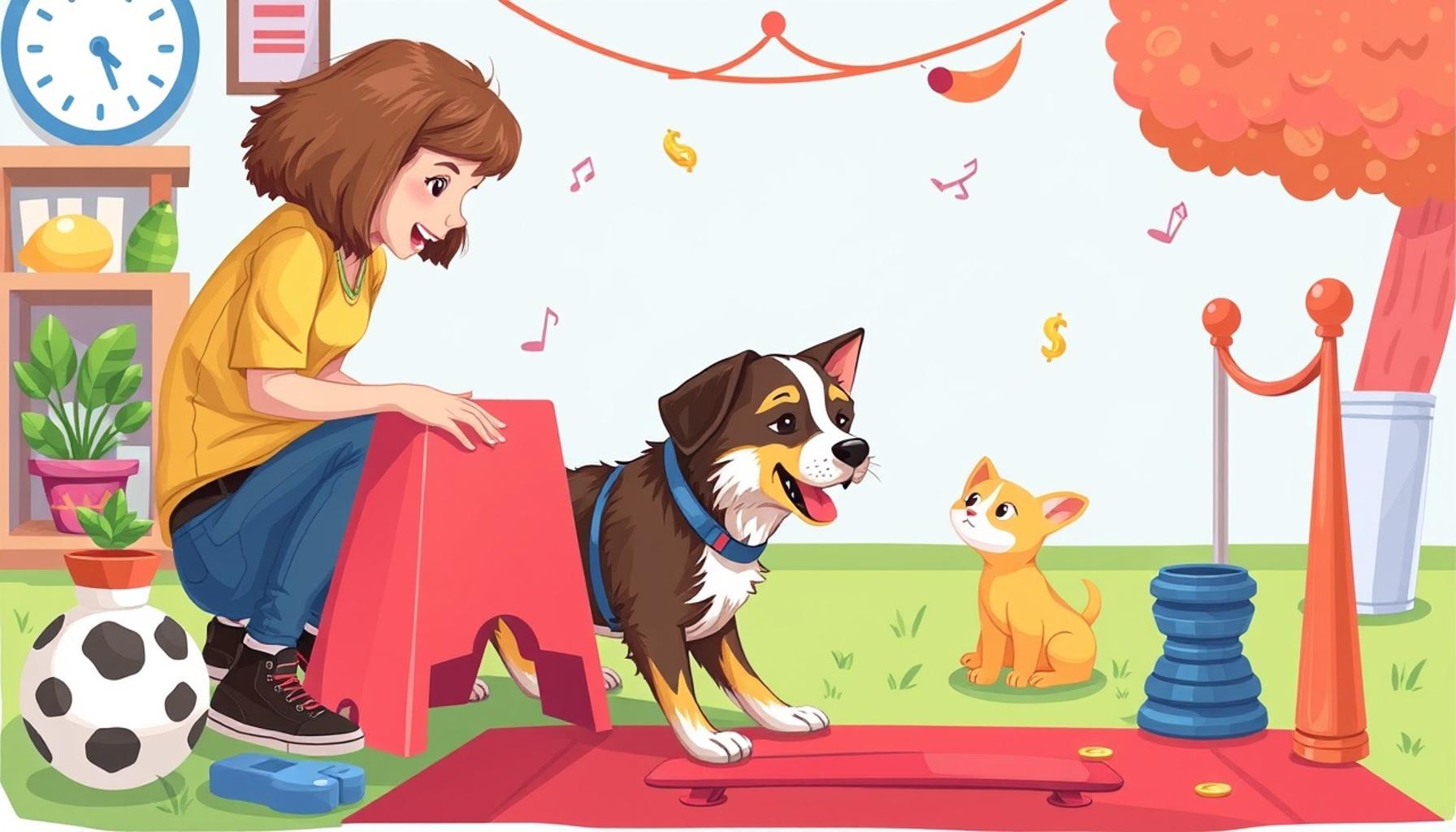
Positive Reinforcement Techniques in Senior Pets: Adapting Training for Special Needs

Understanding the Unique Challenges of Training Senior Pets
The golden years of our pets’ lives come with a unique set of challenges and opportunities for growth and connection. Just as humans may face declining physical health and mental agility, senior pets can also exhibit changes that require a specialized approach to training. Recognizing these shifts is crucial for fostering a positive environment where older pets can thrive.
One of the primary factors in adapting training for senior pets is understanding their health challenges. Many older animals suffer from conditions like arthritis, which can limit mobility and make certain movements painful. This limitation can affect a dog’s ability to sit or lie down on cue. Similarly, conditions like cataracts or age-related vision loss can make it difficult for pets to perceive their environment clearly, complicating their ability to respond to visual cues. Adjusting training sessions to accommodate these physical issues can include using softer surfaces to train on or minimizing sharp movements that may cause discomfort.
In addition to physical changes, cognitive alterations present another dimension of training senior pets. Cognitive dysfunction syndrome (CDS) is akin to dementia in humans, manifesting as confusion, disorientation, and forgetfulness about previously learned commands. A senior dog may struggle with commands that were once easy for them to grasp, necessitating a slower pace and the use of familiar routines. For instance, consistently using short, simple commands and repeating them in a comforting tone can help reinforce understanding.
Emotional needs also play a significant role in the training of senior pets. As pets age, they may experience increased anxiety or insecurity, particularly if they are also dealing with health issues or major life changes, such as a new environment or the loss of a companion. Creating a calm training atmosphere is paramount. Techniques such as incorporating calming pheromones or gentle background music can make training less stressful and more enjoyable.
Foremost among the effective strategies for teaching older animals is positive reinforcement. By using treats, praise, or playtime to reward desired behaviors, pet owners foster an atmosphere of trust and confidence. For example, rather than punishing a senior dog for not sitting, offering a tasty treat when they attempt to sit creates a more positive learning space. This method not only enhances the pet’s self-esteem but also strengthens the bond between owner and pet.
As pet owners embrace these tailored strategies, they can significantly enhance their senior pets’ quality of life, ensuring both mental and physical well-being in their later years. In the articles to follow, we will delve deeper into various positive reinforcement techniques, offering practical tips for implementation that cater to the unique needs of senior pets, thus enriching their experience and yours alike.
LEARN MORE: Click here to discover the importance of vaccines for your pets
Implementing Positive Reinforcement in Senior Pet Training
When it comes to training senior pets, especially those with unique challenges, the method of positive reinforcement rises to the forefront as an optimal approach. This technique not only reshapes the manner in which owners communicate with their aging companions but also empowers senior pets by reinforcing their autonomy and boosting their confidence.
Positive reinforcement revolves around the idea of rewarding desired behaviors rather than punishing unwanted ones. This fundamental shift in perspective is especially important for senior pets, whose experiences and perceived realities can differ significantly from their younger counterparts. Here are some key components to consider when implementing positive reinforcement in training:
- Use High-Value Treats: Senior pets may require greater motivation to engage. Treats that are more appealing than their regular kibble – such as small pieces of chicken or cheese – can encourage participation in training sessions.
- Celebrate Small Wins: Acknowledge not only complete commands but also partial success. If a senior dog struggles to sit but manages to lower its body slightly, reward that effort. This approach builds trust and encourages further attempts.
- Incorporate Playtime: Many senior pets enjoy play, so integrating their favorite toys into training can enhance their eagerness to learn. For instance, a quick game of fetch can follow successful command execution, creating an enjoyable association with training.
- Be Patient and Consistent: Given the cognitive changes that some senior pets may experience, keeping a steady routine with simple, repetitive commands can foster better understanding. This not only applies to the commands themselves but also to the timing of rewards.
An additional benefit of positive reinforcement is its ability to mitigate fear and anxiety, common issues among senior pets. When owners utilize praise and rewards, it creates a safe learning environment where pets feel comfortable exploring and making mistakes. For instance, if a senior dog seems hesitant to try a new trick due to fear, employing a gentle voice alongside treats can encourage them to overcome their reservations.
Moreover, pairing positive reinforcement with environmental modifications can yield even more effective results. For example, if a senior dog has difficulty with balance, using a harness during training can provide stability as the owner guides them through commands. This dual approach not only aids the learning process but also prioritizes the pet’s physical safety.
As you embark on the journey of training your senior pet with positive reinforcement techniques, consider tailoring your methods specifically to fit their health and emotional needs. This specialized attention is vital for fostering a lasting relationship between pet and owner, ultimately enriching the lives of both during these treasured years together.
| Advantage | Description |
|---|---|
| Enhanced Bonding | Utilizing positive reinforcement helps strengthen the bond between senior pets and their owners, fostering trust and reducing anxiety during training sessions. |
| Tailored Approaches | Customization of training techniques allows for a more effective learning experience for pets with special needs, ensuring that each animal responds positively to their unique circumstances. |
Positive reinforcement techniques are particularly beneficial when addressing the specific needs of senior pets. These approaches not only contribute to making the training process more enjoyable but also enhance the overall well-being of the pet. The focus is on rewarding desirable behaviors, thus encouraging pets to engage without the fear of negative consequences.In conjunction with proper training, creating an enriching environment tailored to senior pets can lead to better mental stimulation and confidence building. For instance, incorporating interactive toys or gentle exercises can invigorate their daily routines. Understanding that senior pets may have physical limitations also allows for more adaptable techniques, ensuring that every training session is both productive and respectful of their capabilities.To delve deeper into the benefits and strategies of positive reinforcement in training older pets with special needs, exploring additional resources and expert advice can provide insights tailored to each individual case.
DISCOVER MORE: Click here to learn about the impact of pet adoption
Tailoring Techniques for Unique Challenges
As senior pets pass through various physical and cognitive changes, adapting training techniques to meet these unique challenges becomes essential. The ability to customize positive reinforcement methods in response to an older pet’s specific needs can make a remarkable difference in their behavioral outcomes as well as their quality of life. Here, we will explore various adaptations and considerations for enhancing the training experience for senior pets with special needs.
Embrace Sensory Changes: Many senior pets experience diminishing senses—particularly hearing and eyesight. Hence, it’s crucial to adapt commands and cues accordingly. For example, using visual cues such as hand signals can be effective for dogs with hearing issues. For those experiencing vision loss, consider using tactile signals or vibrations in training devices. This adaptation not only reinforces learning but also helps the senior pet feel more secure and engaged in their surroundings.
Incorporate Cognitive Training: Mental stimulation can be invaluable and is often overlooked in physical training—especially for senior pets. Activities that engage cognitive skills, such as puzzle toys or scent games, complement positive reinforcement by keeping their minds sharp. These activities can help alleviate signs of cognitive decline, attracting the pet’s focus through rewarding interactions. For instance, hiding treats in a toy or around the house encourages natural foraging behavior, promoting both physical and mental exercise.
Modify Training Environments: The training environment significantly impacts engagement, especially for senior pets that may have mobility issues. Opt for quiet, non-distracting spaces that allow pets to focus solely on the task at hand. Moreover, ensuring that the surface is non-slip and well-cushioned can make a world of difference for pets with arthritis or joint disease. Placing their favorite mat or blanket in the training area can provide them with a sense of security as they learn.
Respect Their Limits: While positive reinforcement fosters a rewarding experience, respecting a senior pet’s physical limitations is vital. Setting realistic training goals based on their current capabilities encourages success and positivity. For instance, a senior dog that cannot perform a full “stay” command due to discomfort may initially only be asked to hold position for a few seconds. Gradually building on these short bursts can lead to more extended periods as their comfort level increases with time.
Consider Health-Related Factors: It’s essential to take into account any existing health issues when training senior pets. Conditions such as diabetes, heart disease, or mobility issues can affect their ability to respond to commands, engage with training stimuli, and enjoy treats. Collaborate with a veterinarian to ensure that your training methods align with your pet’s health status. For example, if they have dietary restrictions, find alternative forms of reward like praise or engaging playtime activities that do not compromise their health.
Engagement of Family Members: Involving other family members in the training process can provide consistency and well-rounded support for the senior pet. This mutual approach also reinforces previous learnings when different individuals offer commands and rewards, thereby enhancing the pet’s adaptability to various cues. Additionally, family members can provide ample opportunities for social interaction, which is essential for a pet’s emotional well-being as they age.
In summary, recognizing the individual needs of senior pets allows for personalized training experiences that can greatly enhance learning and strengthen the bond between pet and owner. By paying attention to what works best for your aging companion, you’re not only investing in their training but also nurturing a flourishing relationship during their golden years.
DISCOVER MORE: Click here to learn about your pet’s nutritional needs
Conclusion
In conclusion, embracing positive reinforcement techniques for senior pets with special needs is not just an effective training method, but a compassionate approach that enriches their lives during their twilight years. Aging pets, often faced with sensory loss, mobility challenges, and cognitive decline, require a tailored strategy that takes into account their individual circumstances. By utilizing visual cues, incorporating cognitive challenges, and modifying environments, pet owners can create a nurturing atmosphere that promotes learning and enhances well-being.
Moreover, it is vital to respect the physical limitations of senior pets while considering their health-related factors. Collaborating with veterinarians can ensure that training aligns with their individual needs. As you engage with your senior pet, involve family members to instill a sense of community and support, further reinforcing the animal’s learning process.
As pet owners, we have a responsibility to adapt our training techniques to foster strong, loving relationships with our aging companions. By recognizing their unique struggles and employing effective training adaptations, we not only help enhance their quality of life but also experience the joy of seeing them thrive. It’s imperative that we partake in continuous learning about best practices in training senior pets, ensuring they remain happy, active members of the family. Ultimately, this investment in their training is an investment in the happiness and health of our beloved pets as they navigate their golden years.

Linda Carter
Linda Carter is a writer and pet care specialist passionate about animal health, behavior, and well-being. With extensive experience helping pet owners make informed decisions, Linda shares practical advice on nutrition, daily care, training, and creating a safe, loving environment. Her goal is to provide clear guidance, useful tips, and accessible information that help readers better understand their pets and give them happier, healthier lives.