The Importance of Socialization for Pets’ Mental Health
Understanding Your Pet’s Needs
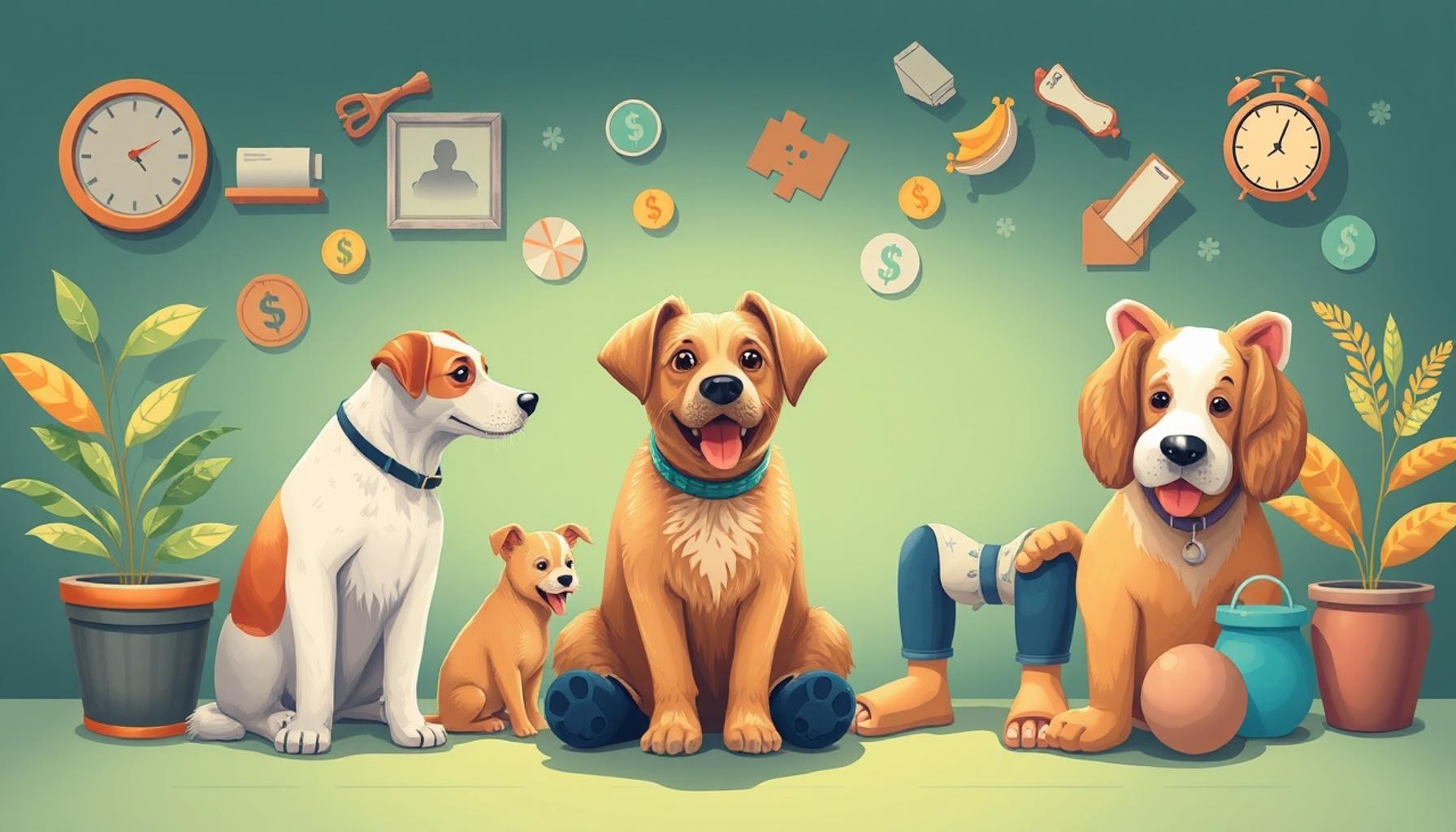
Pets, much like humans, require social interaction to thrive emotionally and mentally. Just as children may become withdrawn or anxious when isolated, our furry companions can also exhibit behavioral issues when deprived of socialization. The lack of interaction may result in anxiety, fearfulness, or even aggression, leading to a vicious cycle that affects their well-being. A well-socialized pet not only leads a happier life but also tends to be more balanced, adaptable, and willing to explore their environments.
What Does Pet Socialization Involve?
Socialization for pets encompasses several vital elements that significantly contribute to their mental health:
- Interactions with other animals: Playdates with fellow pets are invaluable in helping your pet learn important social cues. Regular visits to dog parks or participating in group training classes can provide opportunities for healthy play and interaction. For instance, introducing your dog to various breeds can enhance their adaptability and reduce fear toward unfamiliar animals.
- Engagement with humans: Pets benefit greatly from bonding with family members and friends. Meeting new people teaches them that not everyone poses a threat. Organizing gatherings that include different people, such as hosting a barbecue with both two-legged and four-legged attendees, can be an effective way to enrich your pet’s social skills.
- Exposure to different environments: Taking your pet on adventures—whether it’s a hike in the woods, a stroll through the farmers’ market, or even adjusting them to car rides—introduces them to various sights, sounds, and smells. Each new experience builds their confidence and helps them learn to cope with changes and new situations more gracefully.
Benefits of Socialization
The advantages of socializing your pet extend beyond mere companionship. The benefits are numerous and varied:
- Reduces anxiety and fear: Familiarity with new situations, such as encountering strangers or navigating noisy environments, decreases the stress levels that can lead to anxiety. A well-socialized dog, for example, is less likely to bark excessively or become aggressive during unexpected encounters.
- Promotes good behavior: Well-socialized pets generally exhibit fewer behavioral issues. Pets that have had effective socialization experiences are less likely to engage in destructive behavior out of boredom or anxiety. Moreover, they often learn appropriate ways to interact with both humans and other pets.
- Encourages physical activity: Engaging in play with other animals naturally translates into better physical fitness. Activities like fetch, running at the park, or participating in agility classes not only strengthen their bodies but also stimulate their minds, leading to an overall healthier lifestyle.
Understanding the importance of socialization is a crucial step toward nurturing your pet’s mental well-being. As responsible pet owners, it’s our duty to provide our companions with enriching experiences. This not only fosters emotional health but also strengthens the bond we share with them. Taking the time to ensure that our pets are well-socialized can lead to a more harmonious life together, where both human and animal can thrive in a joyful, interactive environment.
LEARN MORE: Click here for valuable insights
The Role of Socialization in Mental Health
Just like humans, our pets benefit immensely from regular social interaction, which plays a critical role in their mental health. Indeed, socialization is not merely a luxury or a fun activity; it is a fundamental necessity that shapes their emotional responses and overall behavior. Pets that receive regular social interaction are typically happier, more well-adjusted, and less prone to developing behavioral problems, such as anxiety or aggression. Understanding the intricacies of socialization can open new avenues for enhancing your pet’s mental well-being.
Key Components of Socialization
Engaging your pet in socialization involves several key components that can significantly boost their mental health:
- Positive Interactions with Other Animals: Bringing your pet into contact with other animals helps them learn essential social skills and boundaries. These interactions not only teach them how to communicate with other pets but also help to quell any fear they may have of unfamiliar dogs or cats. Visiting dog parks or participating in organized pet playgroups can create rich social environments for your furry friend.
- Human Engagement: Building a rapport with your pet through interactions with family and friends can help enhance their sense of security and trust. This can be achieved through simple activities like playtime, grooming sessions, or even relaxed cuddling on the couch. When pets are comfortable meeting new people, they become less anxious in social situations.
- Adventure and Exploration: Exposing your pet to new settings and routines is vital for mental stimulation. Regular walks in different neighborhoods, trips to farmers’ markets, or even well-planned vacations can introduce them to various sights, sounds, and experiences. These excursions build confidence and adaptability, essential traits for a mentally healthy pet.
Why Socializing Matters
The importance of socializing pets cannot be overstated. Not only does it enrich their lives, but it also has multiple benefits that can impact their mental health:
- Mitigates Anxiety: A well-socialized pet is generally less fearful of new experiences. Pets encountering unfamiliar situations—like crowds or loud noises—are less likely to show signs of distress when they have previously engaged in diverse social settings.
- Encourages Positive Behavior: Socialization tends to promote better manners and reduces the occurrence of behavioral issues. Pets that are accustomed to interacting with other animals and people are less likely to act out due to boredom or anxiety. Enhanced social skills lead to improved communication and behavior, fostering a harmonious living environment.
- Enhances Physical Fitness: Regularly engaging with other pets often translates into more exercise. Activities like playing fetch, going for walks, or joining agility classes not only keep pets fit but also stimulate their minds, cultivating a holistic approach to health.
By prioritizing socialization, pet owners are taking a decisive step toward supporting their companion’s mental health. It’s essential to remember that the time spent fostering these experiences will result in a deeply rewarding relationship, characterized by trust, companionship, and mutual understanding.
The Benefits of Socialization for Pets
Socialization is a crucial element in ensuring your pet’s mental health remains vibrant and resilient. When pets are well-socialized, they exhibit better behavior and are generally happier. The interaction with other animals and people fosters a sense of security and belonging, reducing anxiety and fearfulness, which can lead to behavioral problems.
| Socialization Category | Key Features |
|---|---|
| Enhanced Emotional Stability | Pets that interact regularly with others are less likely to experience anxiety, leading to a happier and more balanced life. |
| Improved Behavioral Traits | Socialized pets often display fewer behavioral issues, such as aggression or excessive barking, as they learn to navigate various social situations effectively. |
Exposure to new environments and stimuli can greatly enhance a pet’s adaptability and coping mechanisms, equipping them to handle changes in their surroundings more smoothly. Encouraging socialization through dog parks, playdates, and training classes not only promotes physical activity but also strengthens bonds between pets and their owners, elevating the overall mental well-being of your furry friends.
DISCOVER MORE: Click here to learn how to assess your readiness for a pet
Long-Term Benefits of Socialization
Socialization is not just about providing immediate entertainment or engagement for your pet; it carries long-term benefits that are crucial for maintaining their mental health throughout their lives. Ensuring pets are well-socialized from a young age can instill lifelong behavioral traits that foster stability, adaptability, and overall happiness. By making socialization a key aspect of your pet’s development, you set the stage for a fulfilling life.
Early Life Experiences
The early months in a pet’s life are pivotal. During this time, a puppy or kitten’s brain is remarkably malleable, making it the perfect window for socialization. Studies indicated that pets exposed to a variety of people, environments, sounds, and other animals during this sensitive period exhibit less shy or aggressive behaviors later in life. For instance, a puppy introduced to different noises such as vacuum cleaners or car horns is likely to be less frightened when they encounter these sounds outside their home.
- Critical Periods: For most dogs, the critical period for socialization extends from approximately three weeks to three months of age. During this time, they are particularly sensitive to absorbing experiences. Pet owners who expose their young pets to various stimuli, from friendly children to other animals, can help mitigate future behavioral issues.
- Decreasing Fear and Aggression: A well-socialized pet can more easily handle encounters with unfamiliar or unpredictable situations. Negative experiences in the early formative stages can lead to deep-rooted fears and reactive behaviors as they mature. Building positive associations with various experiences during their early life lays the groundwork for a more balanced emotional state.
The Role of Play in Socialization
In addition to structured social interactions, play serves as a critical component for mental health and socialization among pets. Engaging in play offers numerous benefits that enhance their emotional well-being:
- Strengthening Bonds: Playtime is essential for bonding between pets and their owners. Regularly scheduled play sessions improve mutual understanding and trust, reinforcing a strong emotional connection.
- Stimulating Cognitive Function: Interactive play stimulates a pet’s mental faculties. Puzzle toys or games that require problem-solving not only divert boredom but also encourage critical thinking and enhance cognitive skills, which are crucial for overall mental health.
- Promoting Happiness: Through play, pets release endorphins, contributing to their overall happiness. The joyful energy associated with play can lead to positive reinforcement in their behavior, resulting in a happier, more content animal.
Community and Support
Pets are social creatures by nature, and building a supportive community around them can further enhance their socialization efforts. Engaging with other pet owners, joining local clubs, or participating in community events opens the door for shared experiences:
- Training Classes: Enrolling your pet in community training classes not only helps with obedience but also provides interaction opportunities with other animals and their owners, reinforcing social skills and promoting a well-rounded character.
- Pet-Friendly Gatherings: Local events such as charity walks or dog festivals offer wonderful venues for social interaction and allow pets to experience various environments, from bustling crowds to new scents and sounds.
Prioritizing socialization for your pet isn’t just about immediate joy—it’s a commitment to nurturing their long-term mental health and happiness. By understanding the multifaceted benefits and applying these principles, pet owners can elevate their furry friends’ quality of life significantly.
DON’T MISS: Click here for tips on easing your dog’s separation anxiety
Conclusion
In summary, socialization is an essential pillar for enhancing pets’ mental health and overall well-being. From the earliest days of a pet’s life, the experiences they encounter—ranging from interactions with various people to exposure to new environments—play a significant role in shaping their future behaviors and emotional stability. Well-socialized pets are more likely to develop into confident, adaptable, and well-adjusted companions, thus reducing the likelihood of fear and aggression as they mature.
Moreover, the importance of play cannot be overstated; it not only fosters strong relationships between pets and their owners but also stimulates their cognitive development. By incorporating play as a regular part of their routines, pet owners lay the groundwork for their pets to thrive emotionally. Community involvement, such as participating in training classes and pet-friendly events, further enriches their social experiences, promoting a well-rounded and happy lifestyle.
Ultimately, understanding and prioritizing the importance of socialization for your pet goes beyond the surface—it is a lifelong commitment to cultivate a fulfilling and vibrant life for your animal companion. As pet owners, we have the opportunity to guide our pets through these formative experiences, ensuring they become confident and happy members of our families and society. By investing in our pets’ socialization, we enhance not only their lives but also our own, paving the way for deeper connections and shared joy.

Linda Carter
Linda Carter is a writer and pet care specialist passionate about animal health, behavior, and well-being. With extensive experience helping pet owners make informed decisions, Linda shares practical advice on nutrition, daily care, training, and creating a safe, loving environment. Her goal is to provide clear guidance, useful tips, and accessible information that help readers better understand their pets and give them happier, healthier lives.