The Importance of Natural Nutrition for Pet Health

The Rise of Natural Pet Nutrition
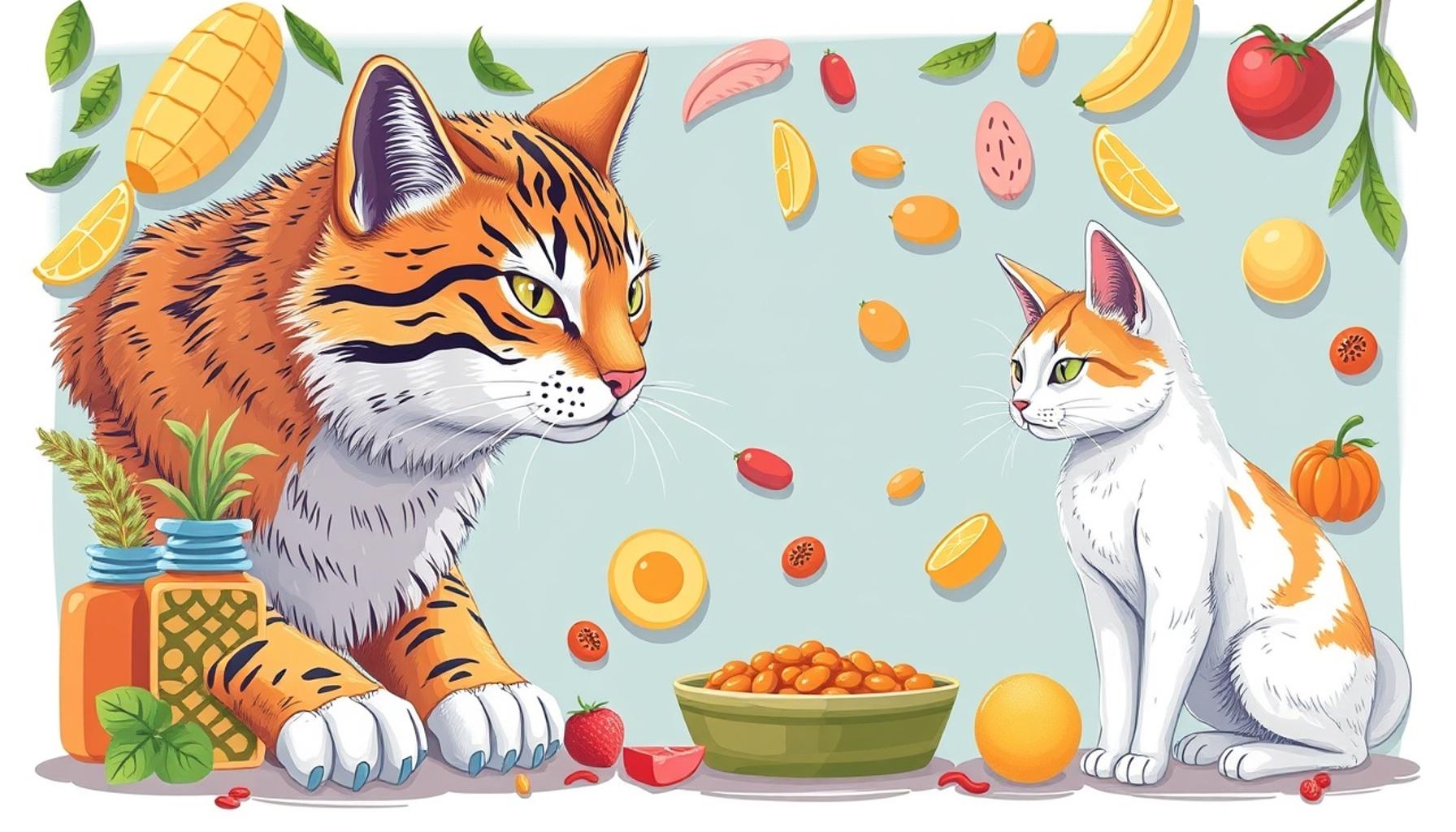
In recent years, pet owners have become increasingly aware of the impact of diet on their pets’ health, leading many to seek out natural nutrition for pets. This movement toward cleaner, more wholesome food options stands in stark contrast to the processed offerings that have historically dominated the pet food market. As people scrutinize labels and inquire more about ingredients, the demand for natural pet food alternatives has surged dramatically.
The Health Benefits of Natural Nutrition
One of the primary reasons pet owners are shifting to natural diets is the myriad health benefits that come with it. For instance, improved digestion is a significant advantage of feeding pets whole foods. Natural ingredients, which are often easier to digest than their processed counterparts, help prevent gastrointestinal issues like gas, diarrhea, and constipation. Foods rich in fiber, such as fruits and vegetables, promote a healthy gut microbiome, which is essential for overall health.
Moreover, a stronger immune system is another crucial benefit associated with feeding pets a natural diet. Nutrient-dense foods, packed with vitamins, minerals, and antioxidants, play a pivotal role in boosting a pet’s ability to fend off illness. Ingredients such as blueberries and sweet potatoes are excellent choices, providing vital nutrients that can enhance immunity and overall wellness.
The condition of a pet’s coat and skin can also significantly improve with a natural diet. Omega fatty acids found in fish and flaxseed are known to promote a shiny, healthy coat and can alleviate many skin conditions common among pets. A vibrant coat is often a reflection of a pet’s internal health, making this a visible benefit of a nutritious diet.
Defining Natural Pet Food
It’s important for pet owners to understand what constitutes natural pet food. Typically, these diets include:
- Fresh meats and fish, which serve as quality protein sources essential for muscle development.
- Whole grains and legumes, which provide ongoing energy and beneficial fiber.
- Fruits and vegetables, packed with vitamins and minerals that contribute to overall physical health.
As pet owners in the United States explore these dietary changes, they often report marked improvements in their pets’ behavior and energy levels. Pets fed a natural diet frequently display greater vitality, improved mental clarity, and in many cases, a longer lifespan. These changes not only enhance the quality of a pet’s life but also deepen the bond between owner and animal.
In conclusion, the trend of embracing natural nutrition for pets presents a promising pathway towards better health and longevity for our beloved companions. With an ever-increasing selection of natural pet foods available on the market, now is an opportune time for pet owners to begin their journey into whole-food-based diets for their furry friends.
DISCOVER MORE: Click here to enhance your dog training skills
Understanding the Impact of Ingredients
As pet owners navigate the labyrinth of pet food options available today, understanding the impact of individual ingredients becomes paramount. Not all ingredients are created equal, and the origins of what we feed our pets can make a significant difference in their health outcomes. A defining characteristic of natural pet nutrition is the emphasis on quality. Ingredients sourced from local farms and trusted suppliers minimize the risk of contamination and ensure that pets are consuming top-notch nourishment.
In natural pet diets, the focus is on avoiding artificial additives, preservatives, and fillers that can disrupt a pet’s digestive system and overall health. These unnatural substances are often found in conventional pet foods, raising concerns among health-conscious pet owners. Instead, a natural diet is characterized by a short ingredient list where every component serves a specific purpose. For instance, instead of synthetic vitamins, whole food sources offer naturally occurring nutrients that work synergistically to promote health.
Nutrient Diversity: A Key to Optimal Health
A diverse array of nutrients is crucial for pets to thrive. Natural nutrition strives to provide a spectrum of vitamins and minerals critical for various bodily functions. Diets rich in variety are particularly beneficial for:
- Energy Levels: A mixture of proteins, fats, and carbohydrates allows pets to maintain their vitality throughout the day.
- Bone Health: Calcium and phosphorus, often found in natural diets with bone or fish meal, support strong skeletal structure.
- Weight Management: Whole foods can better regulate a pet’s weight by avoiding empty calories and promoting proper satiety signals.
Furthermore, the inclusion of whole fruits and vegetables in pet diets contributes to essential phytonutrients that help fight inflammation and reduce the risk of chronic diseases. Ingredients like kale, carrots, and berries provide antioxidants that can combat oxidative stress, a known contributor to age-related conditions.
Current research indicates that pets who consume a balanced, natural diet may not only experience improved physical health but also enhanced mental well-being. Pets fed natural diets often exhibit decreased anxiety and stress levels, likely attributing to fewer chemical additives that can affect mood and behavior.
The Transition to Natural Nutrition
Transitioning to a natural nutrition regimen doesn’t have to be a daunting task. Many pet owners successfully shift their pets’ diets gradually, allowing their pets’ bodies to adjust while observing any changes in health or behavior. A recommendation is to start by mixing small amounts of natural food with their existing diet before fully committing to the change.
This gradual approach not only helps in gauging your pet’s reaction but also allows the digestive system time to adapt. Consulting with a veterinarian during this transition can provide valuable insights tailored to the unique needs of your pet.
Ultimately, embarking on the journey of incorporating natural nutrition into your pet’s diet can unveil a wealth of benefits, enriching not only their physical health but also deepening the companionship you share.
| Category | Key Benefits |
|---|---|
| Improved Digestion | Natural nutrition enhances digestive health by providing enzymes and probiotics essential for gut health. |
| Stronger Immunity | By consuming whole, unprocessed foods, pets receive vital nutrients that bolster their immune system, reducing the risk of illness. |
| Healthy Skin and Coat | Omega fatty acids from natural sources such as fish help maintain vibrant skin and a glossy coat. |
| Weight Management | Natural diets can help pets maintain a healthy weight, as they are typically lower in fillers and artificial ingredients. |
Focusing on natural nutrition can profoundly impact your pet’s overall well-being. Fresh fruits, vegetables, and quality protein sources are key components that contribute to a longer, healthier life for pets. By exploring natural diets, pet owners can discover a range of options that enhance their furry companions’ quality of life. As thoughtful guardians, it’s crucial to remain informed about the myriad of benefits derived from a natural diet, from better digestion to enhanced vitality, encouraging ongoing research and consideration of the food choices provided to their pets.
DISCOVER MORE: Click here to learn how to choose the best food for your pets</
Building a Strong Immune System
A natural nutrition approach plays a vital role in fortifying a pet’s immune system, which is essential for preventing illness and supporting overall health. One of the key benefits of a diet rich in whole, unprocessed foods is the extensive range of nutrients provided that are critical for immune function. Nutrients like omega-3 fatty acids, found in fish and flaxseed, are well-known for their anti-inflammatory properties. These fatty acids help to bolster the immune response, offering additional support to pets with chronic conditions such as allergies or autoimmune diseases.
Moreover, many natural ingredients are naturally rich in probiotics—beneficial bacteria that support gut health. A healthy gut flora has been linked to enhanced immunity, promoting the absorption of nutrients and contributing to a healthier microbiome. Ingredients such as yogurt, pumpkin, and fermented foods can significantly aid this process, enhancing your pet’s ability to fend off infections and diseases.
The Risks of Processed Diets
While the allure of convenience in processed pet foods cannot be overlooked, it is imperative for pet owners to recognize the potential risks associated with this dietary choice. Commercially produced pet foods often undergo extensive processing, which can strip away essential nutrients and replace them with artificial alternatives. According to a 2021 study conducted by the Journal of Animal Science, pets sustained on processed diets are more prone to chronic conditions, including obesity, diabetes, and even certain types of cancer. The study found that diets filled with artificial colors, flavors, and preservatives can lead to significant health complications, underscoring the need for scrutiny in ingredient choices.
Furthermore, many commercially available kibbles have high carbohydrate content which is not ideal for carnivorous pets, leading to unintended weight gain and diabetes. The reliance on grain fillers also raises concerns as many pets suffer from grain sensitivities, which can result in gastrointestinal distress or skin irritations. Transitioning to a natural diet may mitigate these issues by prioritizing high-quality protein sources and whole foods that cater to their biological needs.
Real-Life Success Stories
Pet owners embracing natural nutrition often share remarkable stories of health transformations among their pets. For example, a study published in the Veterinary Record highlighted a golden retriever diagnosed with skin allergies that improved dramatically within weeks of switching to a raw, natural diet. The reduction of inflammation and improvement in skin condition was attributed to the healing properties of whole, unprocessed ingredients. Anecdotal evidence from owners of pets suffering from gastrointestinal issues also points to improved digestion and overall vitality after adopting natural diets rich in fresh produce and protein.
In another compelling case, a tabby cat diagnosed with obesity underwent a complete dietary overhaul. By shifting to a natural diet rich in animal proteins and supplemented with vegetables, the cat not only shed excess weight but also displayed increased energy and playfulness. These success stories shed light on the transformative potential that a balanced, natural diet can have on pet health.
As the understanding of pet nutrition continues to evolve, it becomes increasingly evident that prioritizing natural foods can lead to significant health benefits. Owners who invest time in researching and selecting appropriate natural ingredients are likely to witness their pets thriving both physically and mentally, fostering a deeper connection built on well-being.
DIVE DEEPER: Click here to discover more techniques
Conclusion: Embracing Natural Nutrition for Optimal Pet Health
In summary, the significance of natural nutrition for pet health cannot be overstated. As we have explored, a diet grounded in whole, unprocessed foods plays a pivotal role in sustaining optimal health, boosting immune systems, and preventing chronic diseases. The advantages of feeding pets natural ingredients, rich in essential nutrients, extend beyond mere physical well-being—they can also enhance behavior and improve mental vitality.
The stark contrasts between natural diets and processed alternatives reveal the risks associated with heavily refined pet foods. Elevated levels of carbohydrates and artificial additives can contribute to serious health issues, a concern for responsible pet owners. As the research underscores, a shift towards natural nutrition not only mitigates these risks but also promotes a healthier, happier life for our furry companions.
Moreover, the inspirational stories shared by pet owners who have made the transition highlight the real-life benefits that such a dietary approach can yield, reinforcing the notion that each pet deserves the best possible care. By prioritizing whole foods and high-quality protein sources, pet owners can foster improved health outcomes and form a deeper connection with their pets.
As we continue to learn about pet nutrition, the call to embrace a natural diet is clear. Doing so not only aligns with the biological needs of our pets but also empowers pet owners to make informed choices that drive long-term health benefits. For those looking to embark on this journey, seeking guidance from veterinarians and nutritionists can provide the necessary insights to craft balanced and nourishing diets tailored for the unique needs of each animal.

Linda Carter
Linda Carter is a writer and pet care specialist passionate about animal health, behavior, and well-being. With extensive experience helping pet owners make informed decisions, Linda shares practical advice on nutrition, daily care, training, and creating a safe, loving environment. Her goal is to provide clear guidance, useful tips, and accessible information that help readers better understand their pets and give them happier, healthier lives.