Balanced Nutrition Essential for Dog and Cat Health and Well-being
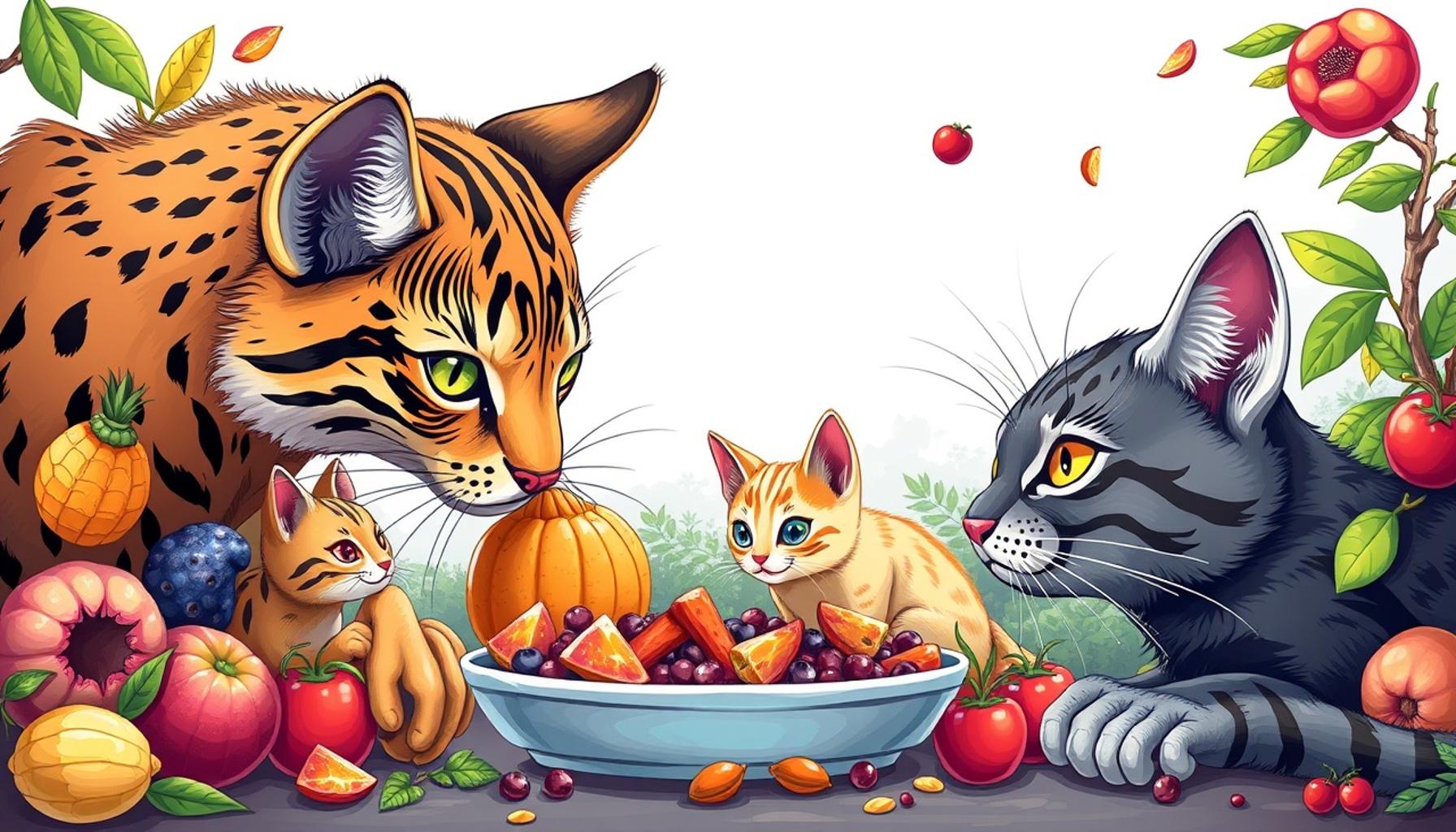
When it comes to our beloved pets, nutrition plays a critical role in their overall health and well-being. Just like humans, dogs and cats require a balanced diet to thrive, which directly impacts their energy levels, skin health, and even mood. Feeding your furry friends the right nutrients not only ensures a longer life but also improves their quality of life.
Understanding the fundamental elements of pet nutrition can often seem daunting. Therefore, it’s essential to grasp the basics, including:
- Macronutrients: Proteins, fats, and carbohydrates
- Micronutrients: Vitamins and minerals
- Understanding food labels: What to look for in pet foods
In this article, we’ll guide you through the significance of a balanced diet for dogs and cats. Additionally, we’ll present the Top 5 essential nutrients your pets need for optimal health, ensuring that you can make informed choices for your furry companions.
Top 5: The Importance of Balanced Nutrition in Dog and Cat Feeding
As pet owners, our furry friends’ well-being is a paramount concern. An integral component of maintaining their health and happiness is through a properly balanced diet. In this article, we will delve deeply into the top five reasons why balanced nutrition is crucial for dogs and cats, ranking them from least to most critical. Comprehending these aspects enables us to offer the finest care to our pets, ensuring they live healthy and fulfilled lives.
5. Maintaining a Healthy Weight
One of the fundamental aspects of a balanced diet for pets is its pivotal role in maintaining a healthy weight. Much like humans, obesity in pets can result in a plethora of health issues, including joint problems, diabetes, and heart disease. To combat these risks, it’s essential to provide our pets with a diet tailored to their energy and nutritional requirements. This not only prevents excessive weight gain but promotes longevity and vitality.
Understanding pet caloric needs is crucial and involves calculating the right amount of calories based on factors such as age, breed, and activity level. For instance, a highly active Border Collie requires significantly more energy than a sedentary Bulldog. Furthermore, portion control and feeding frequency are effective strategies in weight management. Feeding your pet smaller portions multiple times a day can prevent overeating and keeps their metabolism active.
Selecting high-quality food options ensures your pet receives nutrients without unnecessary fillers, promoting optimal health. Foods rich in lean proteins, healthy fats, and beneficial carbohydrates contribute to a balanced calorie intake that aligns with their physical needs. A well-structured feeding plan, considering your pet’s size, age, and activity level, not only boosts their fitness but enhances their quality of life.
4. Supporting a Strong Immune System
A balanced diet is indispensable for a robust immune system in dogs and cats. Just as humans rely on vitamins and minerals to support their immune function, pets benefit immensely from nutrients like vitamin C, vitamin E, and zinc, which fortify the body’s defense mechanisms against diseases.
Quality protein sources play a vital role in repairing and maintaining tissues, crucial for recovery after injury and for sustaining day-to-day vitality. Antioxidants, too, are paramount as they combat inflammation and prevent cellular damage, which can lead to chronic illnesses.
Additionally, fiber contributes significantly to digestion, indirectly bolstering the immune system. Fiber aids in nutrient absorption and ensures a smooth digestive process, subsequently supporting overall health. Incorporating these immunoprotective nutrients in your pet’s diet can dramatically improve their capacity to fight off illnesses.
3. Promoting Healthy Skin and Coat
Another critical aspect of balanced nutrition is its impact on healthy skin and a shiny coat. Omega-3 and omega-6 fatty acids are essential in this regard. These fats regulate skin moisture levels, preventing dryness and promoting a lustrous sheen in your pet’s coat.
A pet’s outer appearance can reflect their internal health, with well-nourished animals exhibiting external signs of wellness such as:
- Reduced instances of itching and scratching, signaling fewer skin irritations.
- An enhanced coat texture and shine, indicative of a healthy diet.
- Minimized skin allergies, showcasing balanced nutrition’s protective effects.
Provision of foods rich in these essential fats not only improves your pet’s presentation but also their comfort, aiding in smooth skin and coat health.
2. Enhancing Digestive Health
Digestive health is a cornerstone of overall well-being, and a balanced diet contributes significantly to maintaining it. Prebiotics and probiotics are quintessential elements that foster healthy gut flora. These are crucial for nutrient absorption and foster optimal digestive function.
Regular fiber intake helps maintain digestive rhythm, preventing constipation and promoting regular bowel movements. Inclusion of fermented foods supports gut health and improves digestion, providing vital nutrients for the body’s process. Hydration additionally plays a crucial role; adequate water intake ensures smooth digestion, influences absorption rates, and contributes to overall bodily functions.
Crafting a diet centered on digestive wellness can prevent malabsorption of nutrients, averting further health complications. Digestive health essentially mirrors the overall vitality of your pet, affirming the importance of a balanced diet.
1. Ensuring Longevity and Quality of Life
The utmost benefit of balanced nutrition is its profound capacity to ensure longevity and quality of life for dogs and cats. Building a diet that meets immediate nutritional demands sets the foundation for a long, happy life brimming with energy and health.
By selecting high-quality food and skillfully balancing proteins, carbohydrates, fats, vitamins, and minerals, pet owners can:
- Substantially reduce the likelihood of chronic diseases that shorten lifespan.
- Bolster energy levels, mitigating lethargy and enhancing activity.
- Support mental health, resulting in higher activity levels and improved mood.
Ultimately, a balanced diet supports all facets of your pet’s health, ensuring they not only live longer but enjoy a vibrant quality of life, enriching their bond with you. In conclusion, recognizing and understanding the importance of balanced nutrition for our pets equips us to make informed choices as pet owners. By focusing on these top five benefits, we create a nurturing framework for our beloved companions to thrive and relish their lives to the fullest, while sharing their love and companionship with us.
| Category | Details |
|---|---|
| Essential Nutrients | Dogs and cats require a balance of proteins, fats, carbohydrates, vitamins, and minerals to maintain their overall health. For example, proteins aid in muscle growth and repair, while fats provide energy and support cellular function. |
| Digestive Health | A balanced diet supports a healthy digestive system. Foods rich in fiber promote regular bowel movements and prevent constipation, while probiotics can enhance gut health and boost the immune system. |
| Weight Management | Maintaining a healthy weight is crucial for pets. Controlled portion sizes and a diet that is lower in calories but high in nutrients can prevent obesity, reducing the risk of related health issues like diabetes and joint problems. |
| Palatability and Enjoyment | A well-balanced diet that includes a variety of flavors and textures can enhance your pet’s meal experience. High-quality ingredients not only nourish but also entice pets to eat, which can be especially important for picky eaters. |
Frequently Asked Questions About Balanced Nutrition for Dogs and Cats
What is balanced nutrition for pets, and why is it important?
Balanced nutrition refers to providing your pets with a diet that contains the right proportions of nutrients, including proteins, carbohydrates, fats, vitamins, and minerals. Each nutrient plays a critical role in maintaining your pet’s health. For example, proteins are essential for growth and tissue repair, while vitamins and minerals support immune function and bone health. A balanced diet ensures that your pet receives all necessary nutrients to thrive, helping to prevent health issues and improve overall quality of life.
Can I feed my dog or cat human food as part of their balanced diet?
While some human foods can be included in your pet’s diet, it’s crucial to choose the right types and quantities. Foods like cooked lean meats and vegetables can be beneficial, but avoid foods that are toxic to pets, such as chocolate, onions, and grapes. Always consult with a veterinarian to determine suitable human foods that contribute to a balanced diet for your specific pet. Remember, commercial pet foods are often formulated to meet all nutritional requirements.
How do I know if my pet’s diet is balanced?
Monitoring your pet’s overall health and seeking input from a veterinarian are key ways to ensure a balanced diet. Look for signs such as a shiny coat, healthy weight, and high energy levels as indicators of good nutrition. Regular check-ups can help in tracking your pet’s health status and adjusting their diet as needed. Your vet may recommend supplements or specific formulations to address any deficiencies or special dietary needs.
Are there specific considerations for puppies or kittens regarding nutrition?
Yes, puppies and kittens require more proteins and calories than adult pets to support their rapid growth and development. Their diets should be specially formulated to cater to these needs. It’s important to choose food labeled for their specific life stage and follow feeding guidelines. Regular vet visits will help tailor diet specifics and address any growth concerns early on.
Conclusion
The importance of a balanced nutrition in the diet of dogs and cats cannot be overstated. Proper nutrition is the foundation of a pet’s overall health and well-being. It ensures that they receive all the essential vitamins, minerals, and nutrients to thrive both physically and mentally. By prioritizing a balanced diet, pet owners can help prevent health issues, promote longer lifespans, and enhance the quality of life for their furry companions.
Main Takeaways
- Individual Needs: Each pet has unique dietary requirements based on their age, breed, size, and health condition. Consulting with a veterinarian is crucial to tailoring a diet plan that meets these specific needs.
- Quality Ingredients: Opting for high-quality, nutrient-rich food ensures that pets receive the best nutrition. Whole foods, rich in protein, healthy fats, and carbohydrates, are essential components of a balanced diet.
- Portion Control: Proper portion sizes are vital in preventing obesity, which is a common issue among pets. Understanding the correct portion depends on your pet’s activity level and metabolism.
- Hydration: Adequate water intake is as important as a nutritious diet. It aids in digestion, nutrient absorption, and general health maintenance.
- Regular Check-ups: Routine veterinary check-ups are fundamental in adjusting dietary needs and ensuring that pets maintain optimal health over time.
In summary, a balanced diet is a cornerstone of pet care and longevity. By focusing on their specific nutritional needs and making informed dietary choices, pet owners can significantly contribute to their pets’ health and happiness. Remember, a healthy pet is a happy pet, and taking the time to understand and implement balanced nutrition plays a pivotal role in achieving this goal.

Linda Carter
Linda Carter is a writer and pet care specialist passionate about animal health, behavior, and well-being. With extensive experience helping pet owners make informed decisions, Linda shares practical advice on nutrition, daily care, training, and creating a safe, loving environment. Her goal is to provide clear guidance, useful tips, and accessible information that help readers better understand their pets and give them happier, healthier lives.