
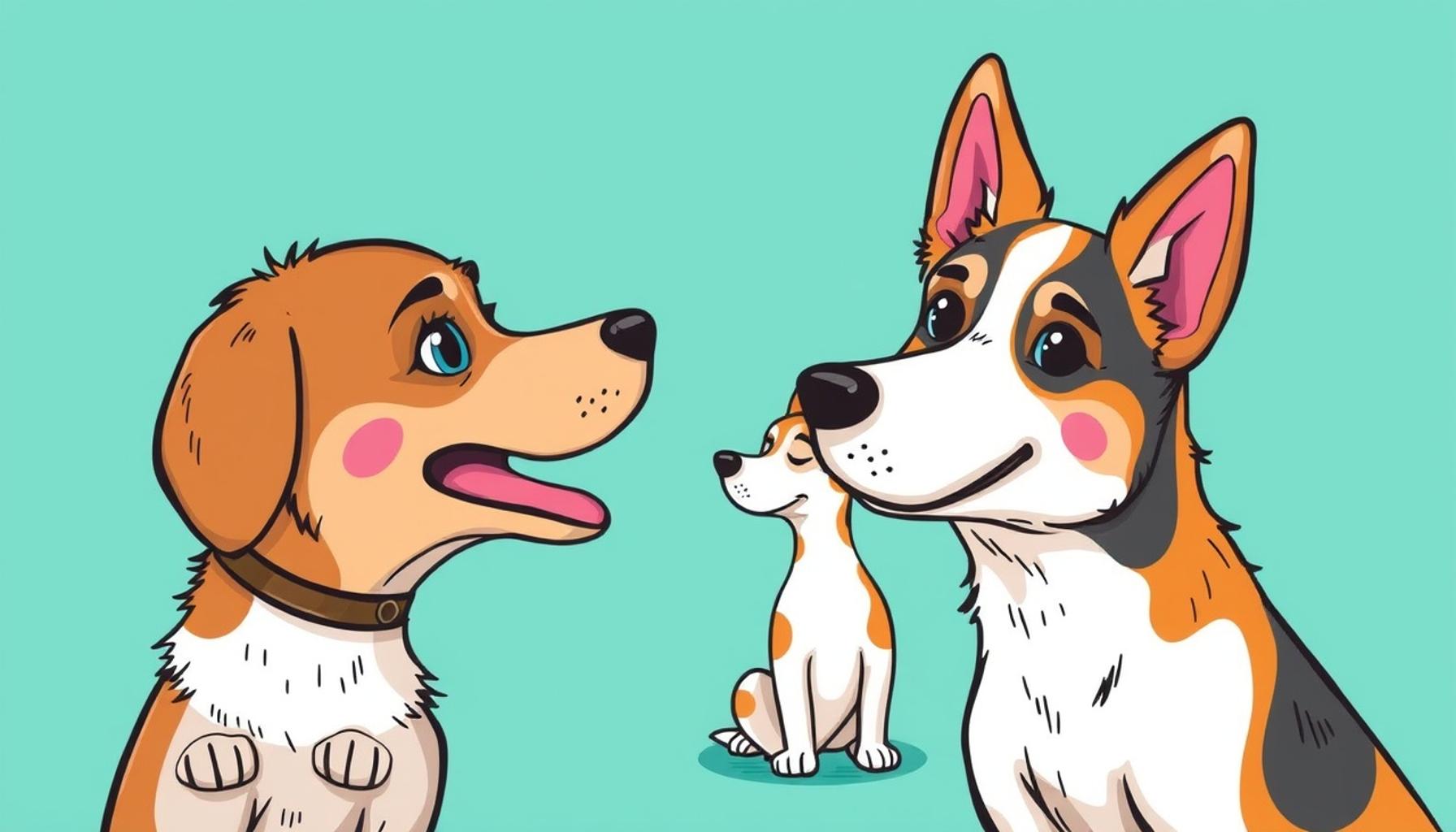
Positive reinforcement is a cornerstone of humane and effective dog training, replacing traditional methods that may involve punishment or coercion.
By focusing on rewarding desirable behaviors with treats, praise, or play, trainers encourage dogs to repeat those actions, fostering a more trusting and enthusiastic relationship between the pet and its owner.
Scientific studies consistently demonstrate that dogs trained using positive reinforcement techniques exhibit better problem-solving abilities and increased willingness to engage in training exercises compared to those trained through aversive methods.
Additionally, positive reinforcement helps to create an environment where dogs feel secure and confident, reducing anxiety and behavioral issues often linked to fear-based training approaches.
These methods are not only beneficial in teaching basic commands but are also crucial in addressing complex behavioral problems by redirecting focus to constructive actions in a stress-free manner.
Ultimately, harnessing the power of positive reinforcement not only strengthens the bond between humans and their canine companions but also promotes a harmonious living environment.
Ao longo do artigo, exploramos como o reforço positivo pode transformar o treinamento de cães em um processo eficaz e amigável.
Adotando recompensas como petiscos, carícias ou elogios, os donos conseguem fortalecer comportamentos desejáveis sem recorrer à punição.
O reforço positivo fomenta uma relação de confiança e respeito mútuo entre o cão e seu tutor.
Assim, aplicar estas técnicas incentiva um ambiente de aprendizado mais saudável e feliz para seu animal de estimação.

Linda Carter is a writer and pet care specialist passionate about animal health, behavior, and well-being. With extensive experience helping pet owners make informed decisions, Linda shares practical advice on nutrition, daily care, training, and creating a safe, loving environment. Her goal is to provide clear guidance, useful tips, and accessible information that help readers better understand their pets and give them happier, healthier lives.